
Written by:
 Guest Author
by Katherine Leat
As a provocation for our upcoming Glass-House Chat, Designing Third Spaces, one of our co-hosts, architect Katherine Leat of Citizen Architects, shares their experience of taking over a disused building and reflects on what they are doing to make it a welcoming and flexible space for community use.
The hall that became our place in the neighbourhood
When we bought a disused Victorian Sunday school in Exeter, I thought we were taking on a building. It turns out we were taking on a neighbourhood, too.
Old St Leonard’s Hall had always been a focal point for the community, and local people fought to keep it when it went up for sale, unwilling to lose a place that had shaped neighbourhood life for generations. Despite their efforts, the building was sold to a developer, who secured planning permission to turn it into private homes.
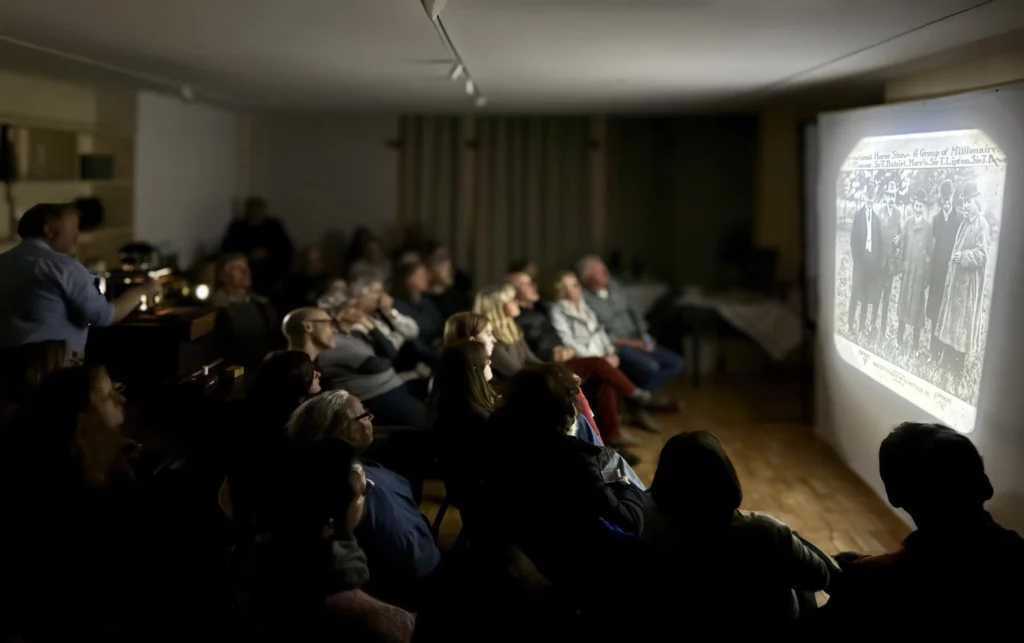
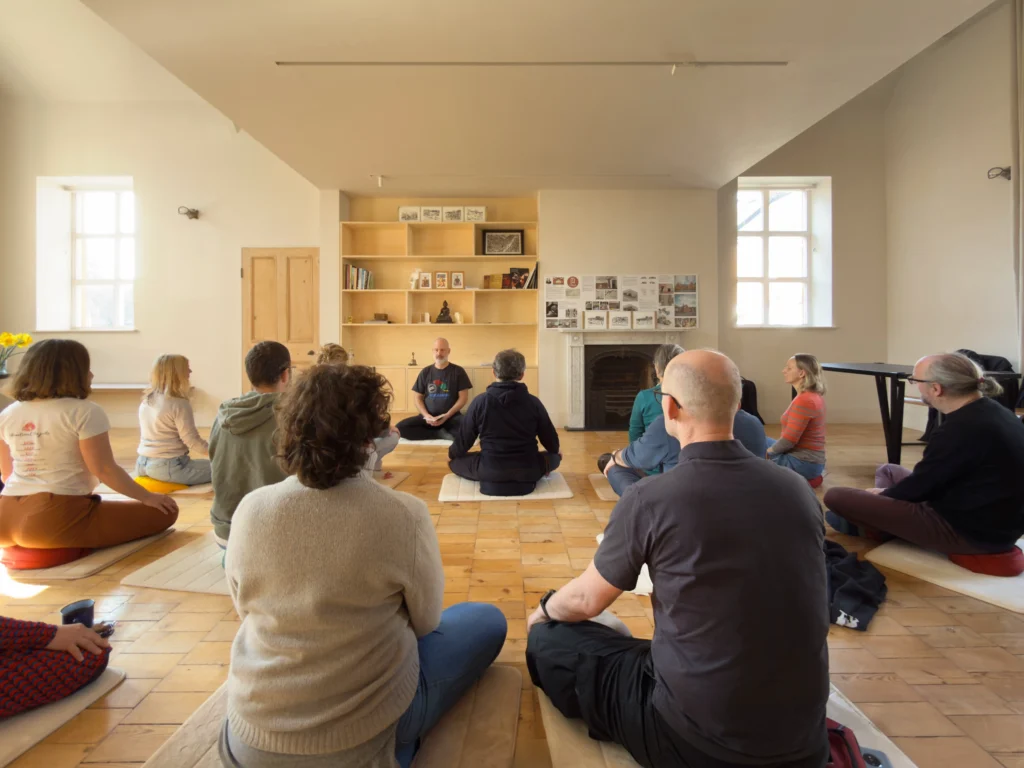
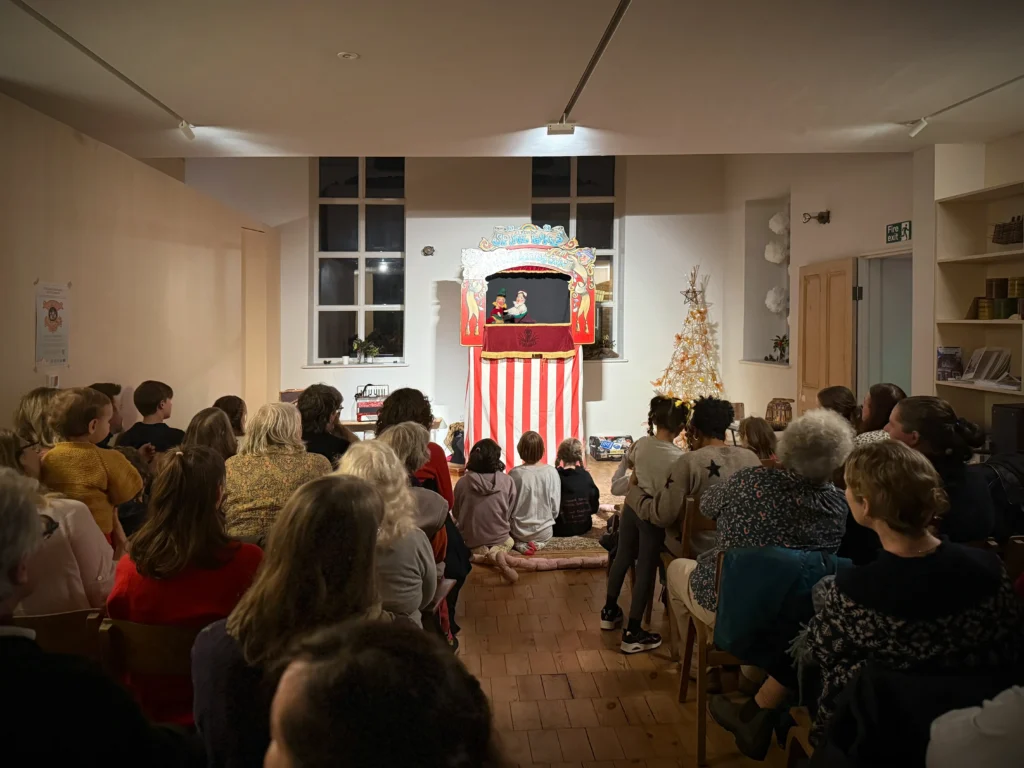
When we stepped in to buy it, we knew we weren’t rescuing an unloved building – people had already decided it mattered. One of our first acts was to open the doors to our neighbours and ask what they wanted to happen there. Out of these conversations came the decision to turn Old St Leonard’s Hall not just into our home and architecture studio, but to share the main hall with the community. During the weekday it is the Citizen Architects studio; we are trying to get drawings finished, answer emails and work towards deadlines. By around 5pm and at weekends, it changes character. From break dance training to tai-chi, from celebrations of life to performance art, our neighbours lead the charge on programming what happens in the hall.
Giving an old building a new life
When we bought it, Old St Leonard’s Hall was beautiful, but tired. We took time to understand it before deciding what to change. How could we improve its environmental performance without losing its character?
How could it work as a contemporary architecture studio while also being flexible enough for other people to use? There wasn’t one clever answer, just lots of decisions, some more glamorous than others. We were interested in exploring the opportunities suggested by the existing building rather than treating it as a problem to be solved.
Opening the doors
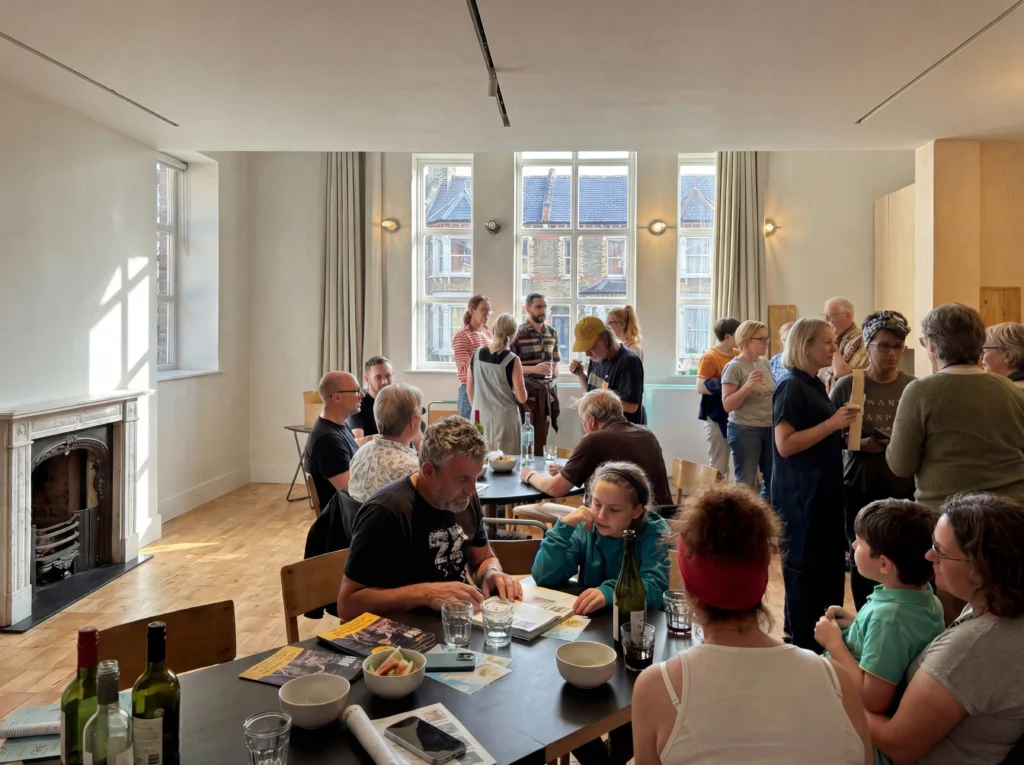
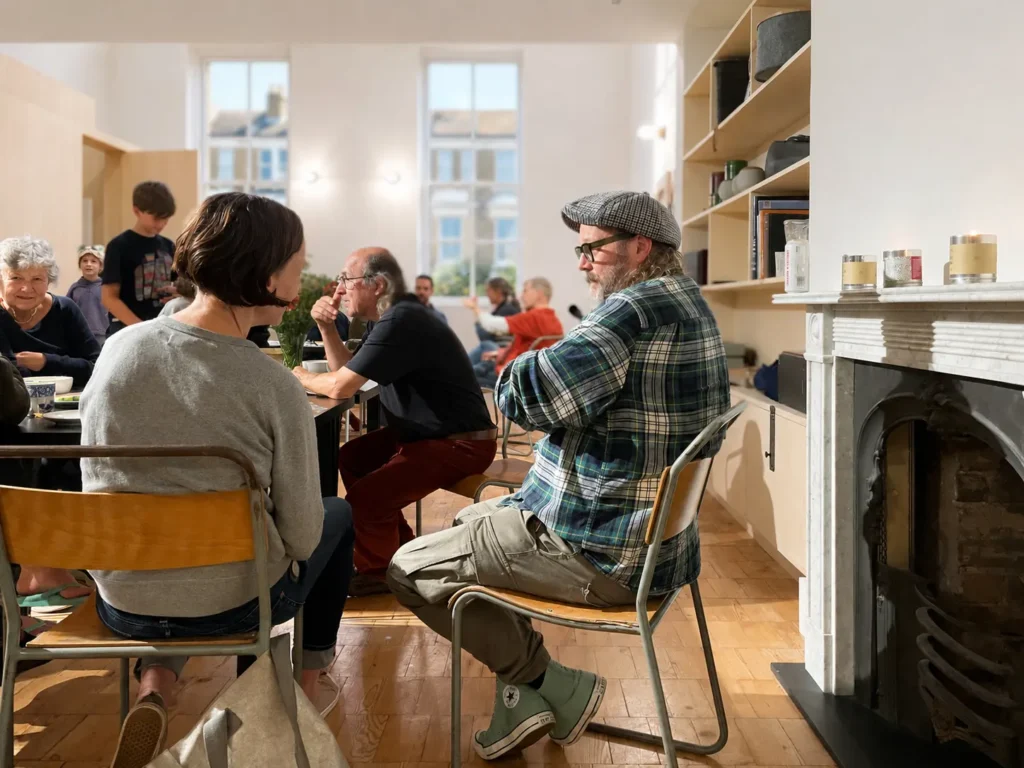
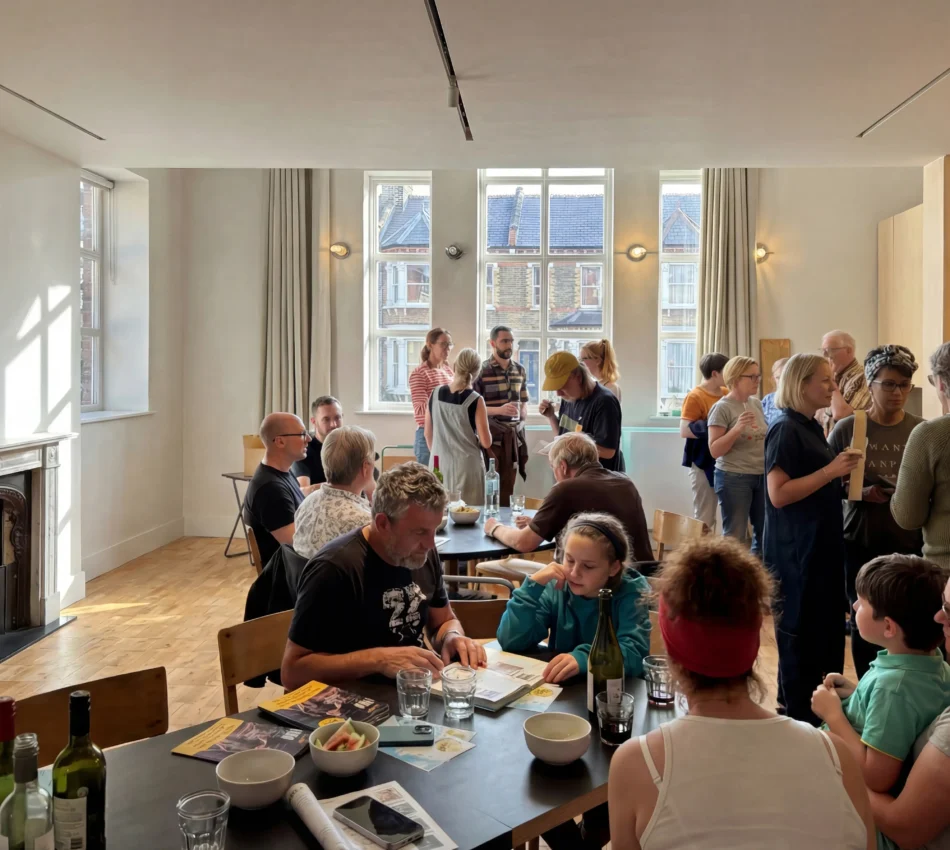
One of the first things that happened at the hall, and still going strong, is the First Friday Society (cheekily initialled FFS). On the first Friday of every month, we open the doors to neighbours and friends and invite them to bring food and drink to share. There is no membership, no need to sign up. You can come and go as you please and invite your friends and family. Sometimes there is music, sometimes games, but mostly people talk. Different cultures are celebrated. Recipes are shared – the food people bring is fantastic. People make friends, discover new things about each other, someone lends someone else a pair of crutches.
These aren’t things we designed, they simply become possible when people have somewhere to meet regularly.
Old St Leonard’s Hall has again become a focal point for the neighbourhood, because people have gradually made it one. One local couple told us they’d lived nearby for nearly 15 years but, without children and not attending church, had found it surprisingly hard to put down roots until they joined the FFS. For one neighbour who uses a wheelchair, having Old St Leonard’s Hall close to home has made it easier to get out and stay social. For a mother and daughter, the FFS has become somewhere they feel safe and part of something bigger. Month by month, they have gotten to know not just their neighbours but “the character and rhythm of the area”.
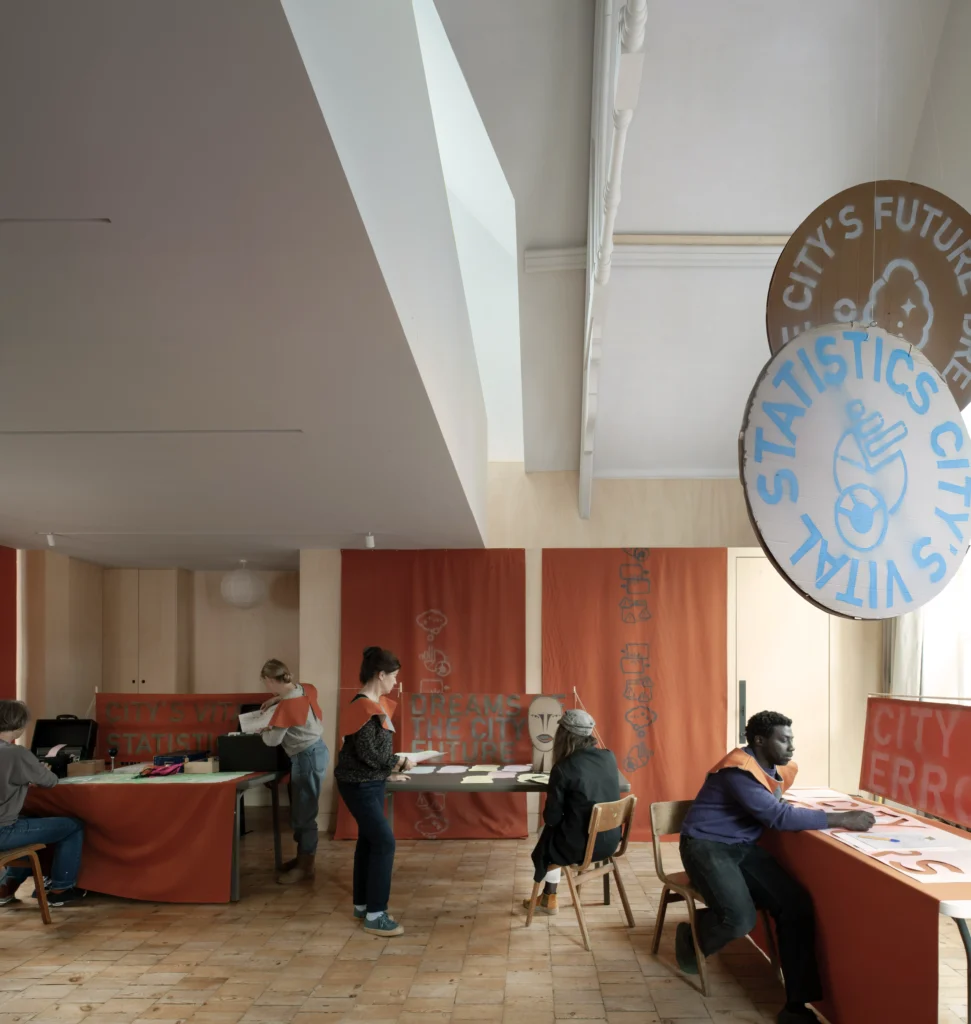
Over time, we have become increasingly interested in the slow consistent nature of community building. We’ve realised it doesn’t happen because you organise one brilliant event but through consistency. You start by recognising a place, then you start to recognise the people in it. This feels much closer to what belonging actually is.
Resilience
One neighbour pointed out that these connections could matter more as climate change brings greater disruption. We tend to talk about resilience as something we design into buildings and infrastructure, but perhaps knowing your neighbours is a resilient infrastructure too.
Of course, Old St Leonard’s Hall also has to be resilient in its own right. It often feels like a village hall, except it isn’t one. There is no committee, no parish council, no public money – all the burden of running it falls on us. It is our building and our workplace, which makes the whole thing rather complicated. We want people to feel that Old St Leonard’s Hall is their place, but it is also our place.
In the absence of public funding, our small architecture practice funds the running of the hall. With both the hall programming and our architectural work being community-focused rather than profit-driven this puts a significant financial obligation on us.
We work here, we paid for it, we clean and maintain it, and we have to make a living. We are carefully treading the line between being generous with a resource and making that generosity unsustainable. When talking about community-led projects, we often celebrate openness without talking about what sustains it. Someone has to unlock the door, clean up, arrange the insurance, do the first-aid course, answer the bell. And sometimes that someone has a deadline.
This is a tension we’re still resolving.
What we have learned
The community around Old St Leonard’s Hall existed before us, as did the attachment local people felt to the building. We didn’t create the relationships that have grown around it, but we did provide a place for them to flourish.
We thought we were restoring a building but actually, we were restoring a piece of neighbourhood infrastructure. And then (the real lesson!), we discovered that infrastructure only really comes alive when people use it, shape it and start to feel that it belongs to them.
An architect can’t design a community, but we can make a place where people can find each other. Perhaps, sometimes, that is enough.
About the Author
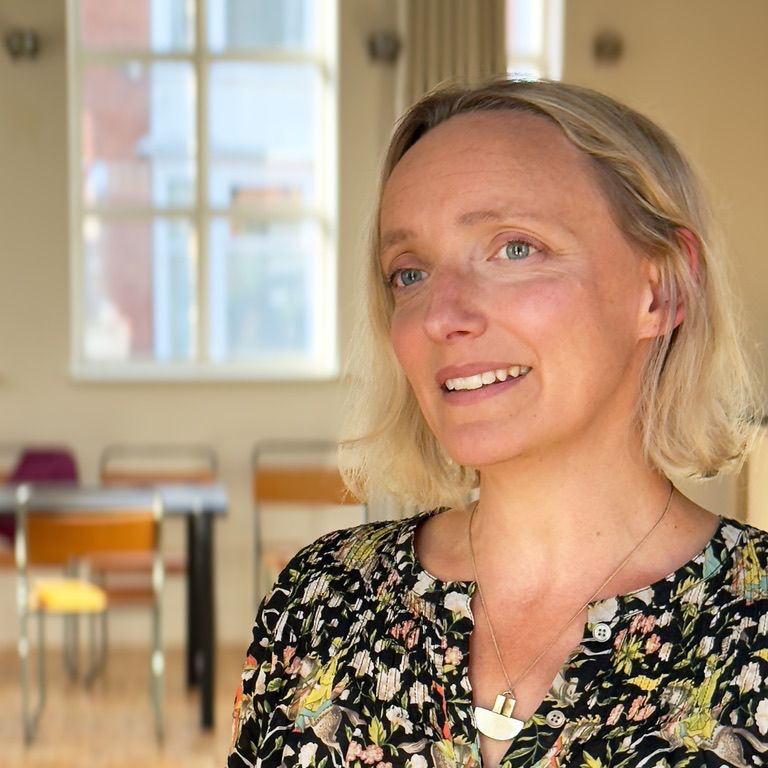
Katherine Leat is a Director of Citizen Architects, an Exeter-based practice that helps local authorities, not-for-profit organisations and individuals create the conditions for communities to meaningfully shape their urban environments. Katherine’s experience spans over 25 years of practice across a wide range of scales and sectors, including working for Article 25 and as a Design Advisor at the London Legacy Development Corporation. The practice also runs Old St Leonard’s Hall, a community space in Exeter.
Join the Conversation
If you would like to speak to Katherine and her colleague Elisa Engel from Citizen Architects, and to others interested in this theme, join our Glass-House Chat, Designing Third Spaces on 17 September online. This is a free event but spaces are limited, so book your place now.
All images courtesy of Citizen Architects.