
Written by:
 Sophia de Sousa
This summer, my local green spaces were anything but green. As in much of the country, the parks and playing fields in our neighbourhood were burnt out by the relentless heat. Walking through them, one had an eerie, apocalyptic feeling. All was not right with the world.
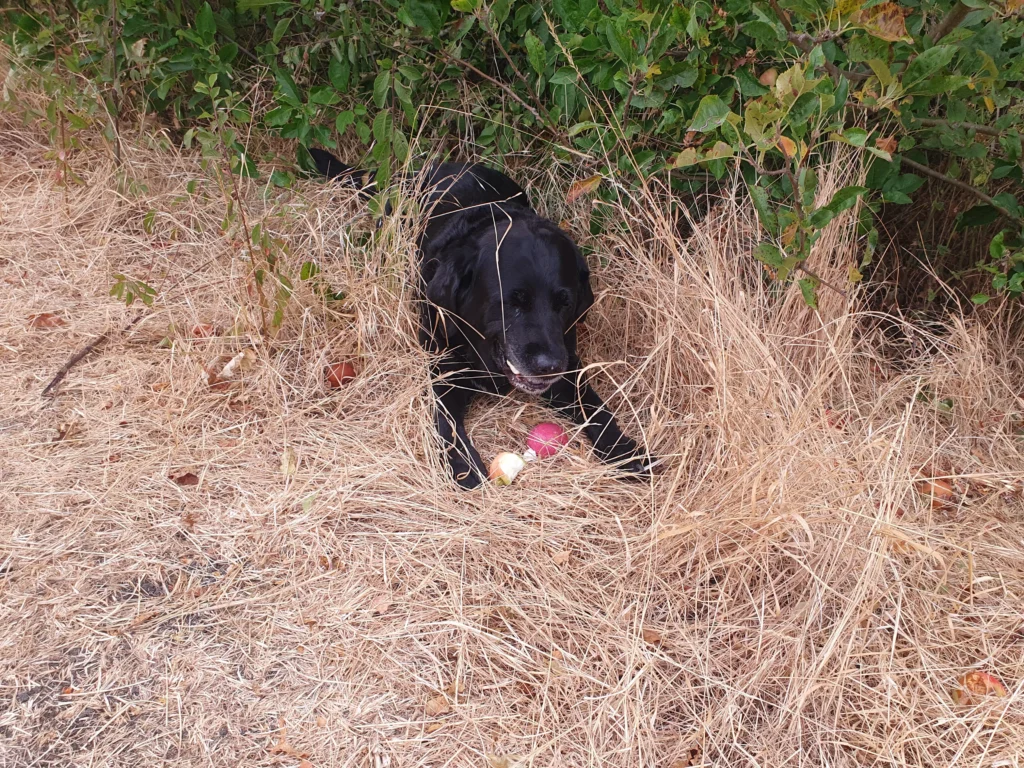
As someone who regularly walks with my dog in my local park, I watched the transformation of my local green spaces over the summer. It was ever present, and pretty shocking.
I also began to notice the impact this was having on me. My walks, which usually serve as a therapeutic space for me, were generating rather than relieving stress. I had a growing sense of unease, worrying about our planet, the local critters, the fires blazing across Europe and the growing risk of fire as landscapes continued to dry out. I worried about the farmers and inevitable challenges they were facing, and the impact this would have on global food production. The river I usually walk along became ever more shallow. While spring had brought bountiful hatchlings of the various water fowl, in the heat of summer, most of the wildlife was nowhere to be seen. The usually bountiful blackberry bushes along the river were indeed bountiful, but largely with dried out, inedible fruit.
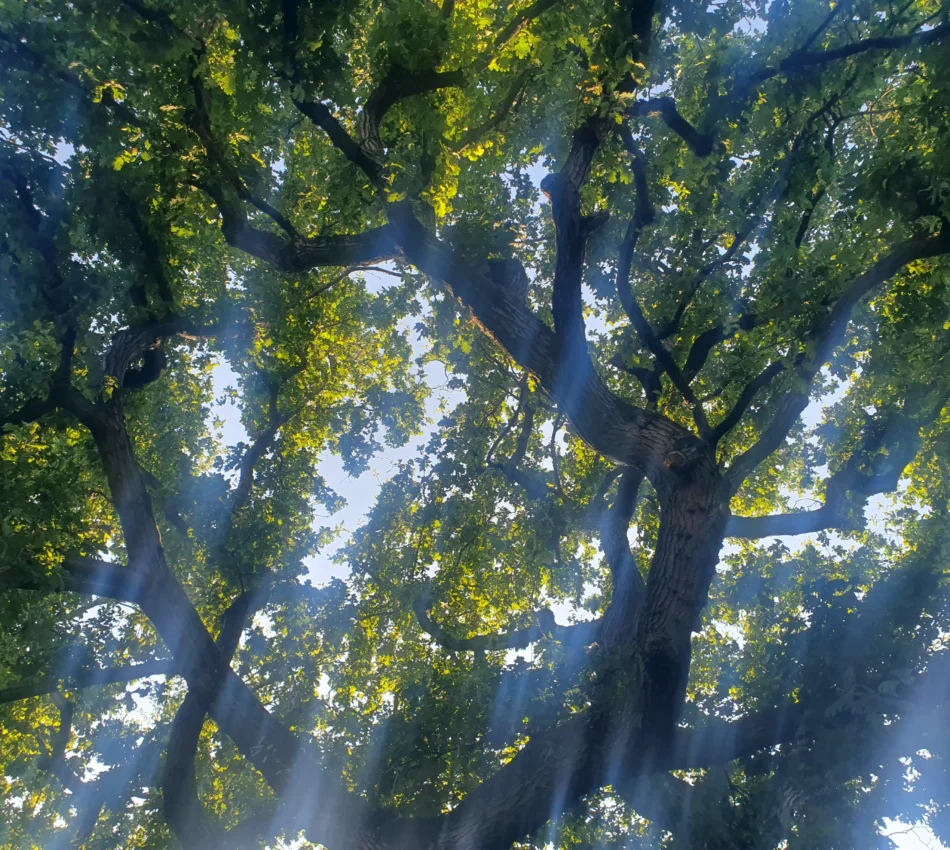
And yet, most local trees endured. Their deep roots found what little water there was. As the relentless summer heat blazed, the established oak tree in my back garden offered much needed shade and sanctuary. The wild apple trees in our local woods produced fruit, though the apples were smaller. The contrast between the tree and the parched grass next to it was striking.
Then, it finally started to rain. Little green shoots began appearing everywhere and within a week or so, the playing field at the end of our road which had been straw over the summer, was green again. The transformation was nothing short of miraculous.
So too was the transformation of my feelings as I walked through the park. It was incredible how the sight of green grass uplifted my spirits. I delighted in the signs of recovery and in picking up my first conker of the season. I noticed that the leaves on the chestnut tree it had fallen off looked distressed, but the tree had still managed to produce the conkers which could produce new trees.
This summer and early autumn have demonstrated the incredible regenerative power of nature.
This made me think of walking in these same places during the Covid lockdown. I was fortunate to have green spaces on my doorstep, and my dog gave me licence to go out into them. Those walks became the highlight of my day, and helped keep me balanced. The parks felt magical spaces, no longer tarnished by the relentless traffic roaring past. I remember in particular the level of birdsong. It was as if the birds were celebrating regaining ownership of their environment. The air felt different, less polluted, and the plants seemed to thrive on it.
Covid also, of course, revealed the huge disparities in access to green spaces. While I delighted in the nature around me, others could simply not get to it with the limited time and movement they had available to them. All of us felt the pressure of being trapped in our homes, but those of us who had gardens and parks within our immediate surroundings had a powerful, regenerative antidote at our disposal. Far too many people did not.
Countless studies have been carried out on all of this. Nothing that I’m saying is particularly revelatory. However, this summer, and then the resurgence of nature after only a week of much awaited rainfall, really brought home three things to me:
- Nature is mighty, and regenerative, but we humans are pushing it to its limits. We need to do more not only to prevent its destruction, but also to constantly assist its regeneration.
- Our natural environment plays a huge part in both maintaining and restoring our health and wellbeing. Not only does it provide the essentials for our physical survival, it can play a hugely impactful role in our sense of both physical and mental balance. When it suffers, we suffer. So why are we not collectively doing more to nourish it?
- And finally, access to nature should be a fundamental right for everyone, yet place inequities are still rampant across the UK. We all have a role to play in protecting nature, but this starts with all of us having the opportunity to build a relationship with it. We need to do more through the development and regeneration of our built environment to protect, restore and to give people access to the natural environments that nourish us.