Written by:
 Sophia de Sousa
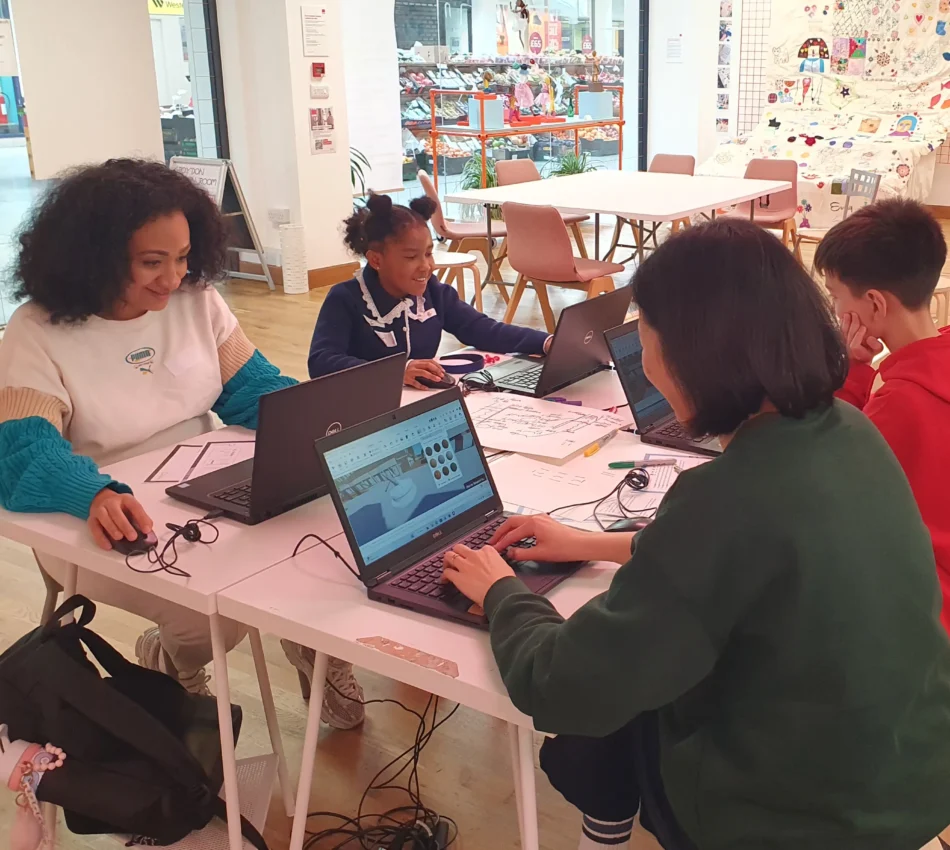
On 27 October, we collaborated with Croydon Council to host a workshop for children and their parents and guardians at the Croydon Urban Room. The workshop aimed to bring children aged 10 to 13 and their families into a conversation about the design of Croydon Town Centre through gaming. Building on previous workshops such as The State of Play workshop at the National Videogame Museum in Sheffield, this one used the gaming environment Roblox Studio as a platform to introduce children and their families to the design of places, and to activate them in contributing design ideas to help shape the future of Croydon Town Centre. We were delighted to collaborate again with Jake Stephenson-Bartley, a former Glass-House member of staff and now a member of the Croydon Urban Room team, as well as his colleagues Eve Nixon and Emma Haberman.
We were also joined by Dexter Byrne, who helped design and co-facilitate our first gaming workshop for children when he was 10 years old. Now a young professional, Dexter joined us as our technical lead on the workshop, having designed the Roblox environments for the workshop, and providing support to the children throughout the activities.
Introduction to Design
We began the session talking about design in simple terms, introducing participating children to the principles of form, function and feeling, and exploring how we interact with design in our daily lives. Looking at simple things like the design of chairs and telephones, and how these have evolved over time, we got them thinking about the range of design ideas that can emerge from the same challenge or brief.
Focus then shifted to the design of homes. We showed our participants images of all sorts of homes and neighbourhoods, from blocks of flats to streets of terraced housing, to whimsical castles. We included images from the UK and other parts of the world, and again, highlighted the diversity of housing types, and the different ways form, function and feeling come together through design.
Individual Design Task: Homes
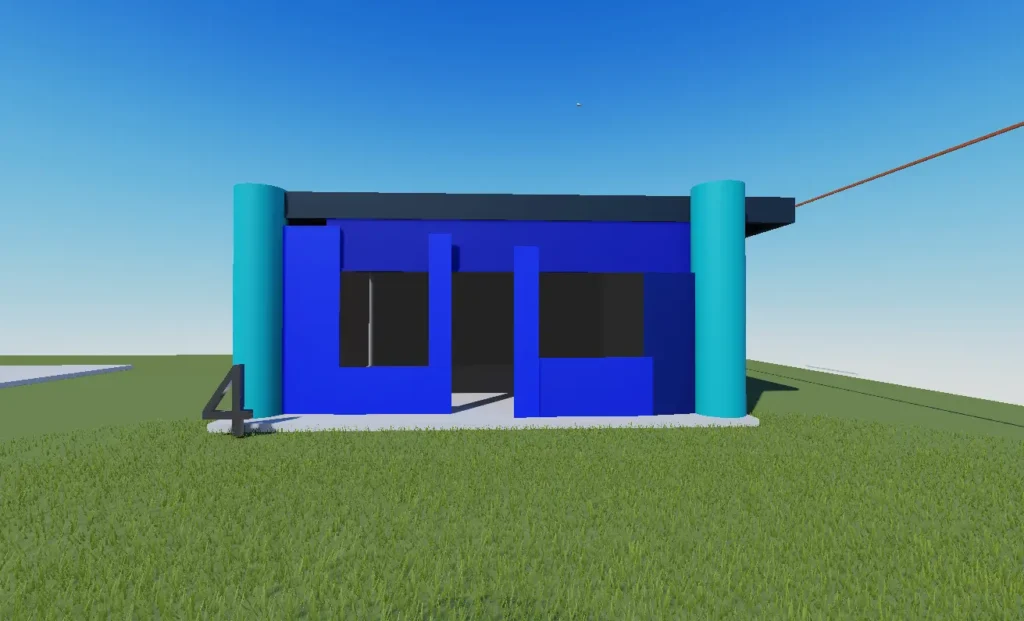
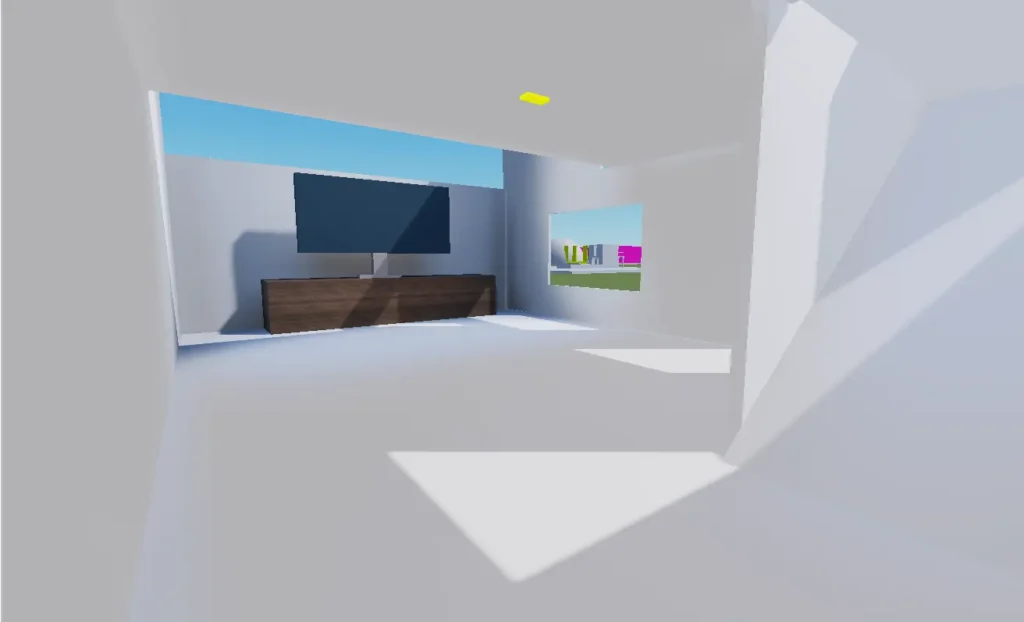
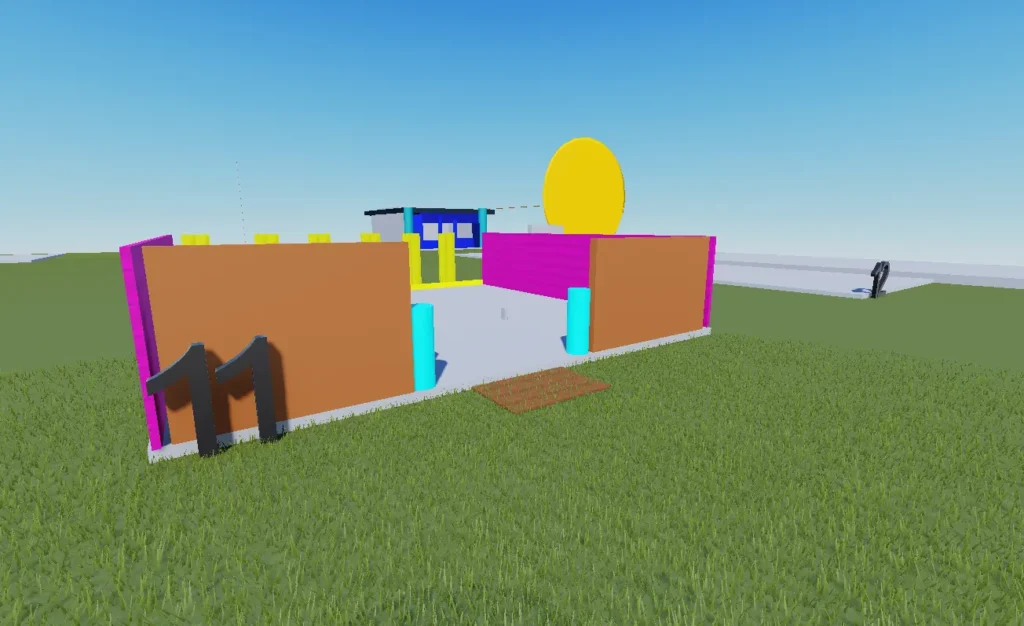
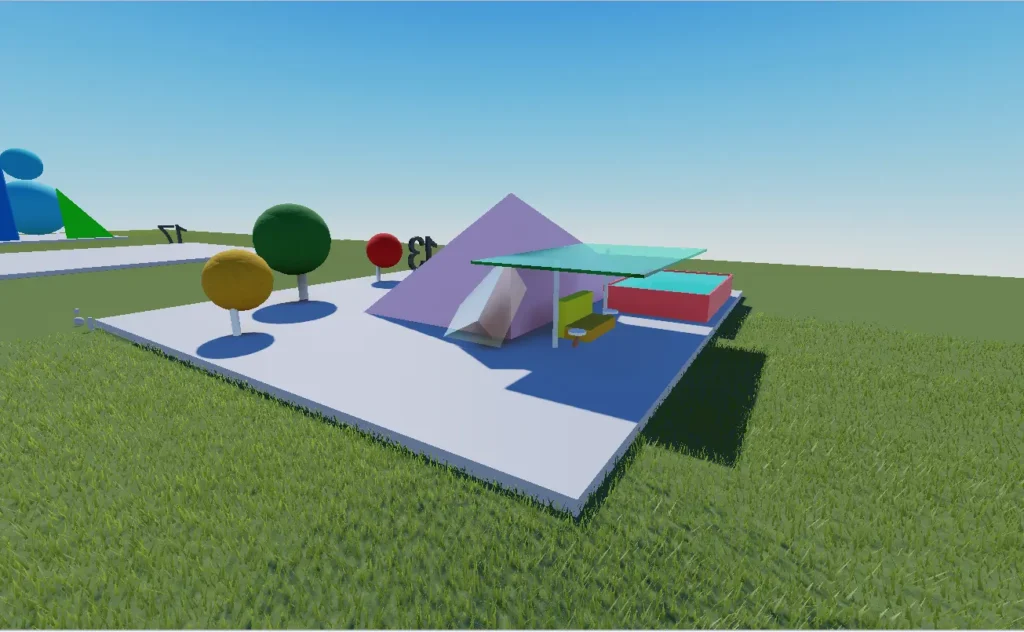
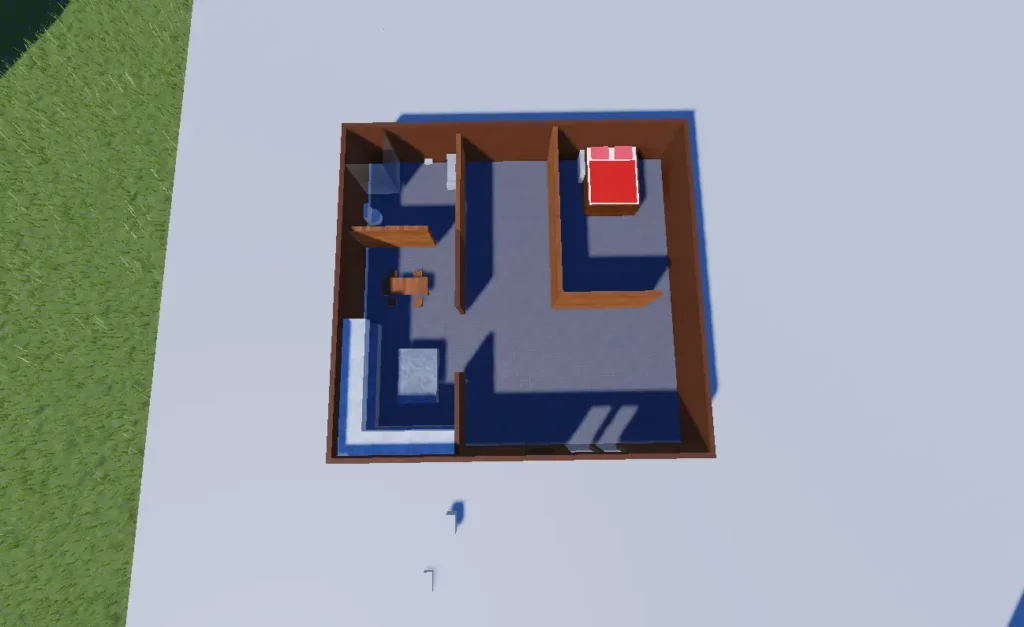
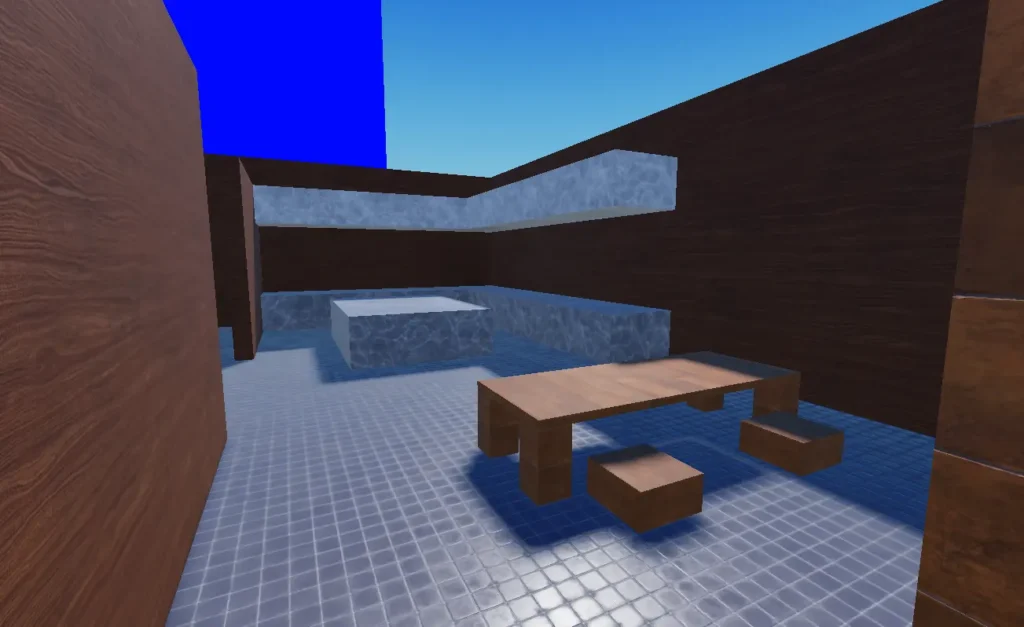
Our next step was to introduce the online gaming space Roblox Studio, a free programme within the Roblox environment which allows users to design and build worlds using quite sophisticated design tools. Following a brief session to learn how to use the tools and test the different features, we set the children the task of each of them designing and building a home using the software. Those accompanying adults who wanted to join in were also invited to have a go.
The High Street Past, Present and Future
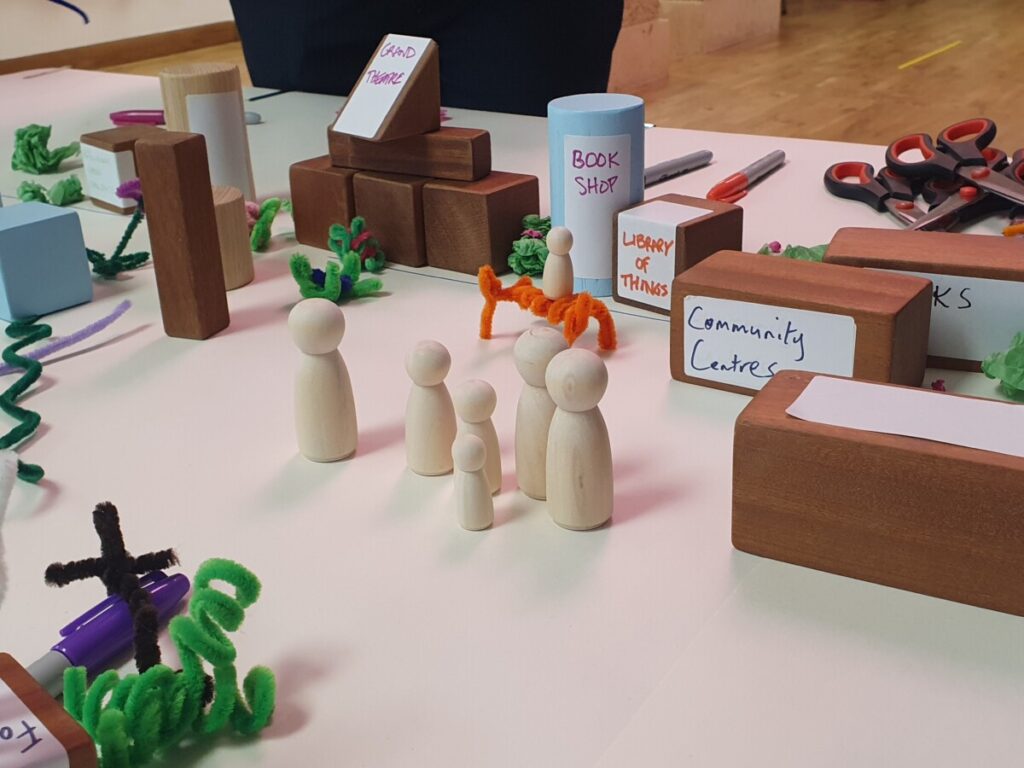
Meanwhile, some of the parents and guardians joined a parallel activity, in which we invited them to talk about the high street, how it has changed in our lifetime, and to explore how they think it might change in the future. We modelled a high street using arts and crafts materials, working together to depict what we felt were the vital ingredients of the high street we would want to use. These included: the sense of place and the importance of a welcoming environment; the very practical amenities such as shops, banks and post offices; community centres and other spaces for connection such as shared craft workshops.
Sharing Builds
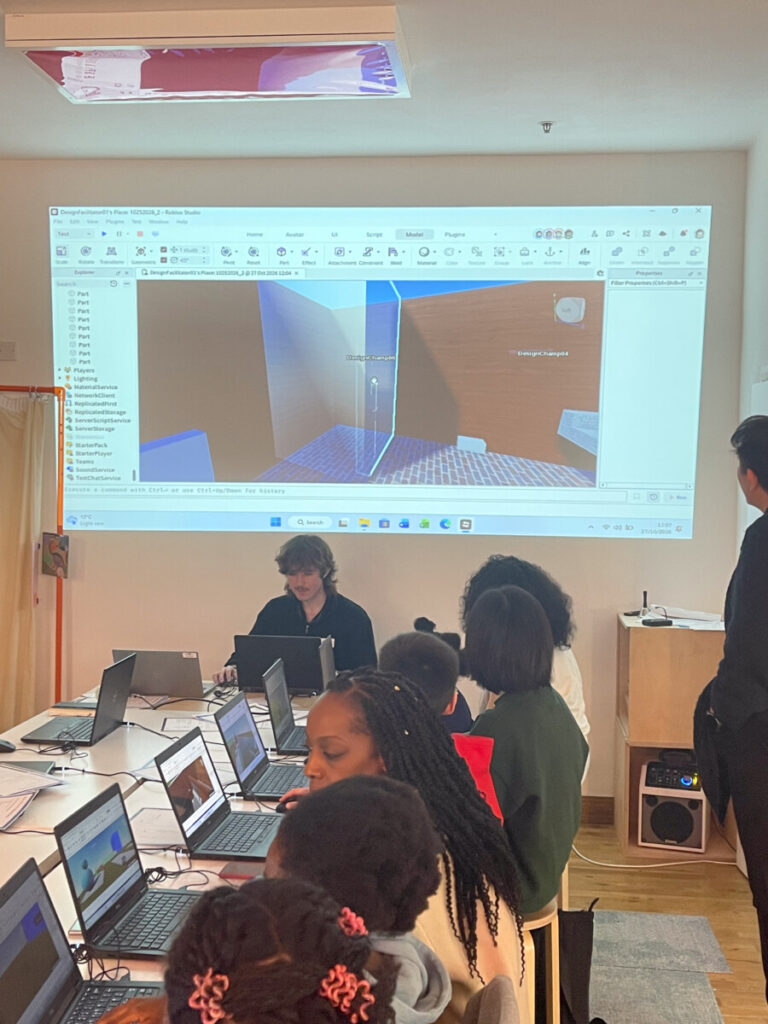
At the end of the morning, those who had been working in Roblox Studio shared their creations and with Dexter’s help, we entered the “play” mode on Roblox Studio so we could view and move around the homes they had built in first person. This was a great way to look at the impact of design decisions such as how the size and placement of windows affect the light within a space, and the use of colour and textures within their builds.
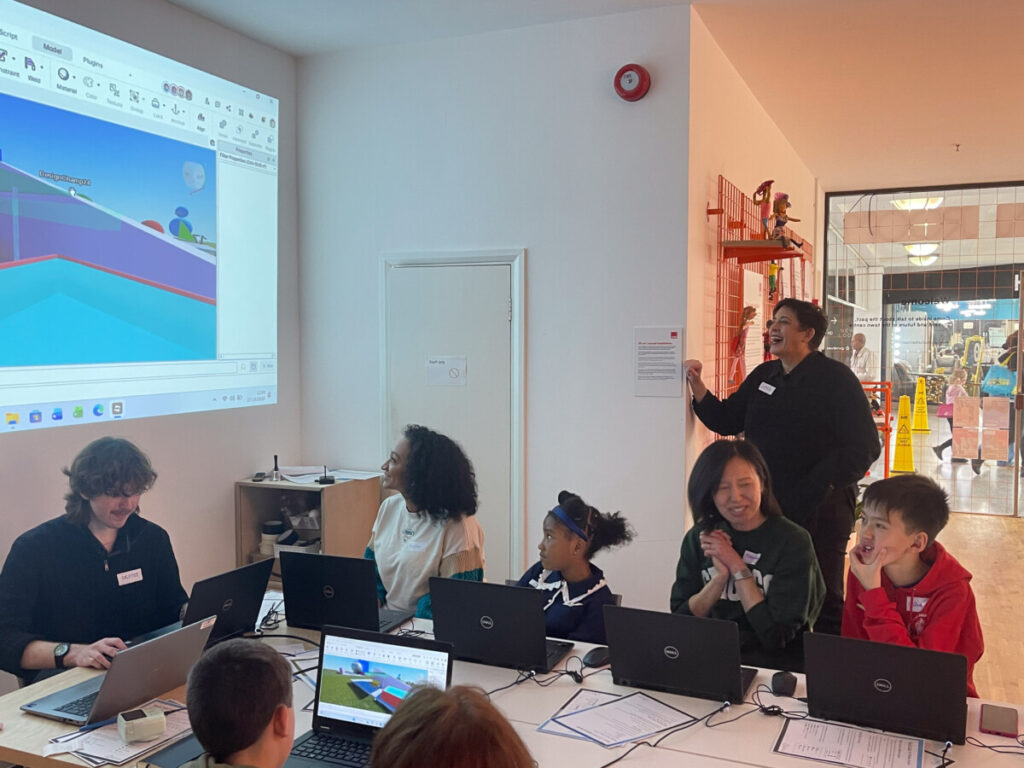
The adults who had been modelling the high street then shared their model and key themes from their conversation with the children. This was a soft launch into the activities that would follow.
Co-designing Town Centre Spaces
After lunch, we moved on to talking about high streets and town centres. Jake showed participants a range of images from different places and eras, and briefly introduced the area of Croydon that will be undergoing regeneration. The fact that the Urban Room sits right in the heart of that area helped ground the conversation.
We then introduced the afternoon team build task, in which groups of children and guardians worked together to design different small sites around the town centre. For this activity, Dexter had modelled Croydon Town Centre in Roblox Studio, so participants could come up with design ideas for areas that they were familiar with and get creative about how they would like these spaces to look in the future.
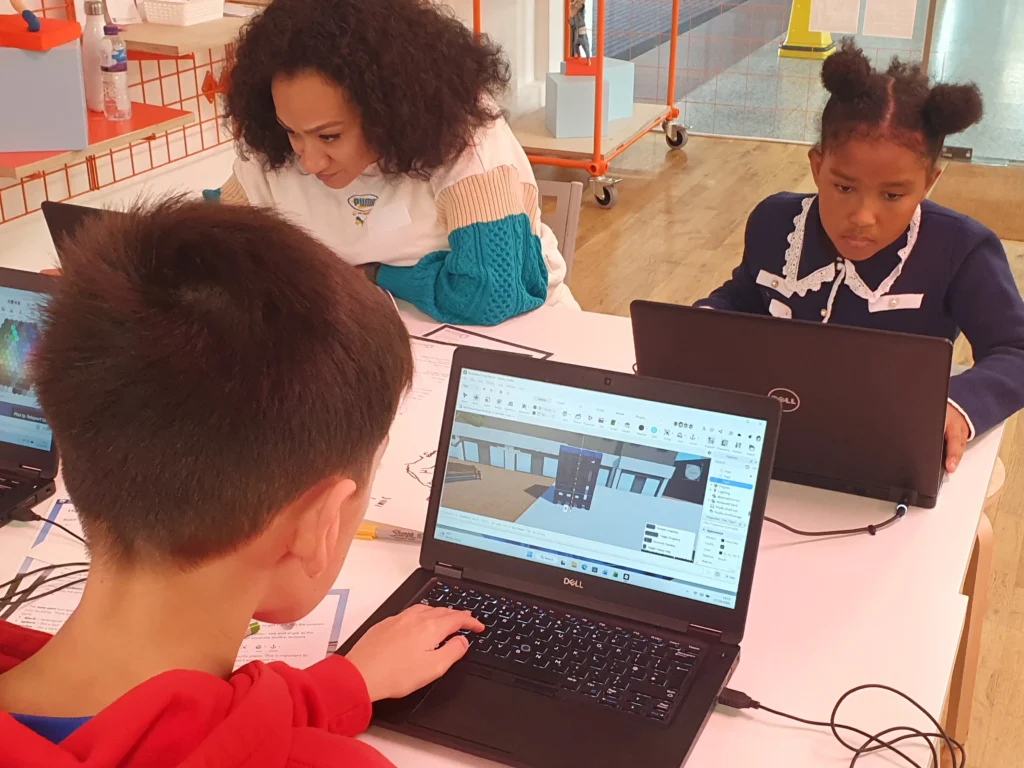
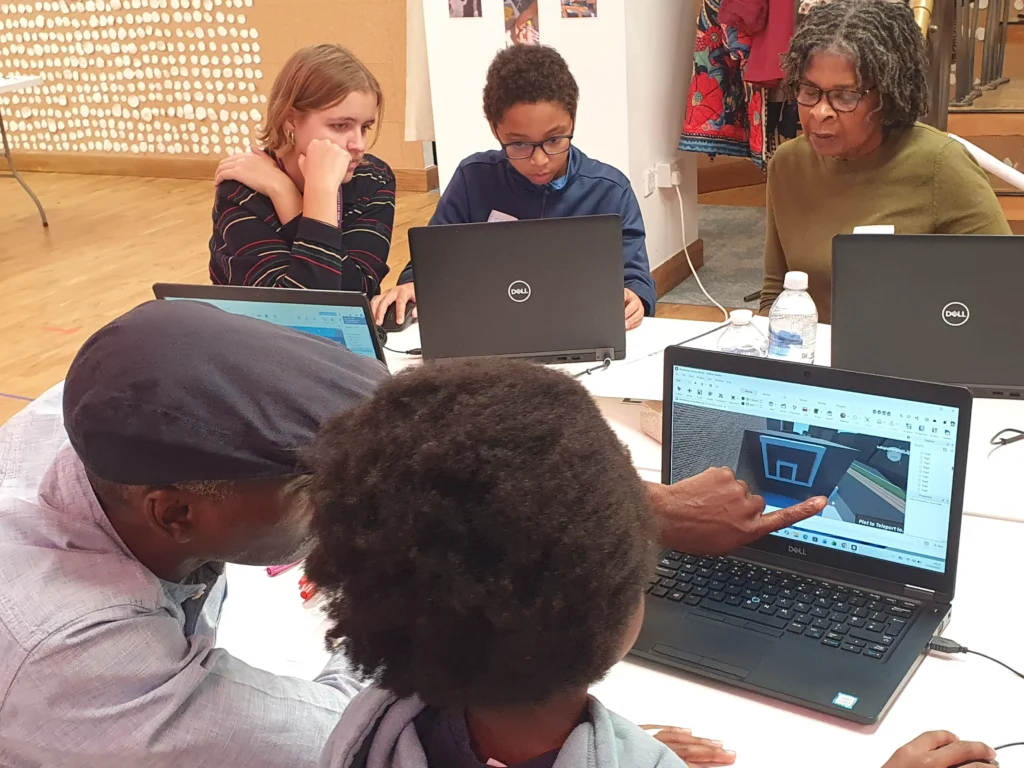
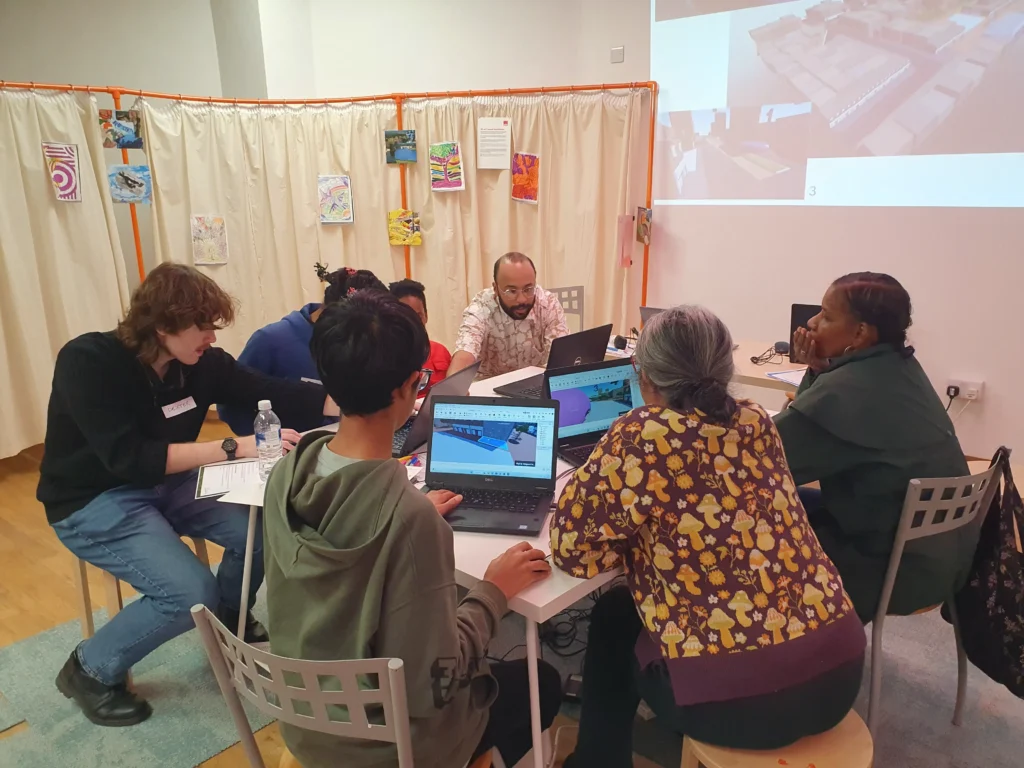
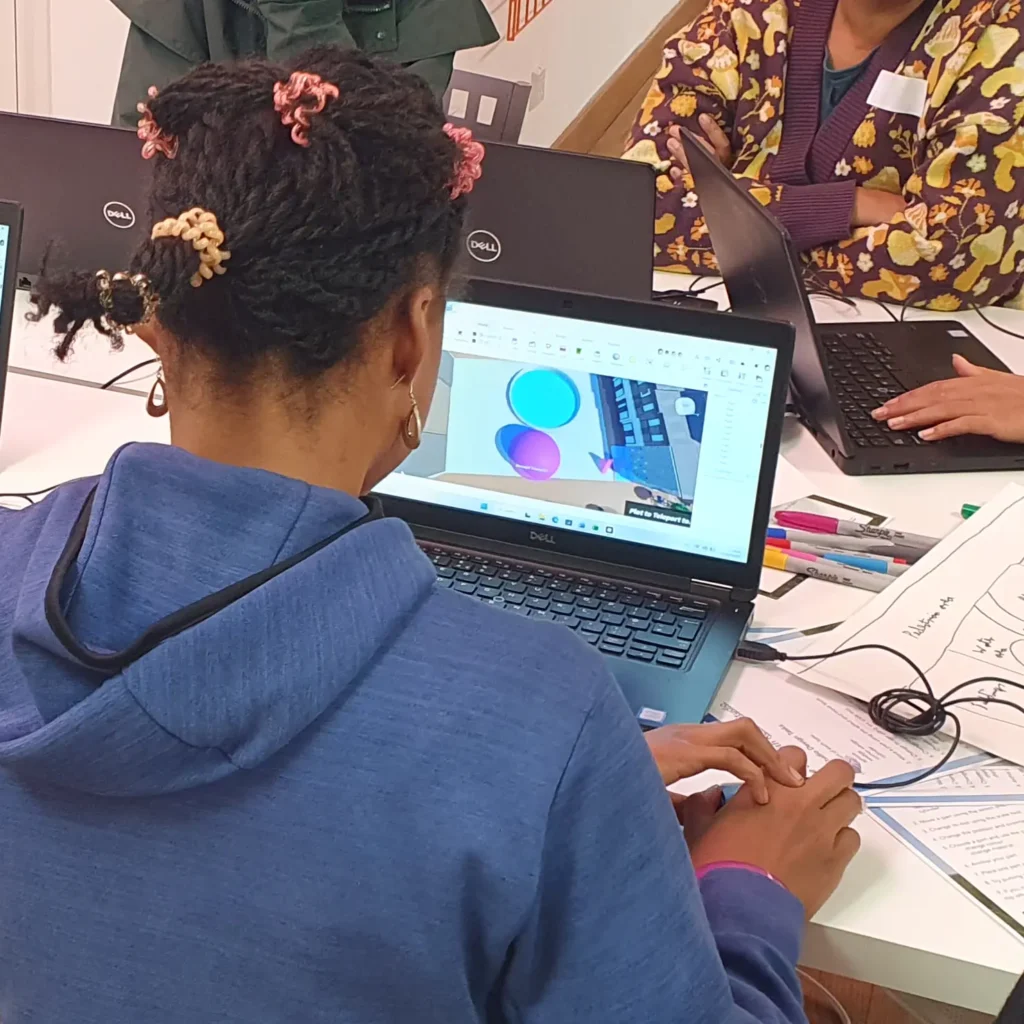
The design ideas that emerged were all quite different, with some groups focusing on creating activity-specific, and others more flexible spaces. Across all the site designs was a desire for more colourful spaces, and for the injection of playful environments. It was also interesting to see the combination of very active areas with quieter ones, where people could pause, take shelter and regroup.
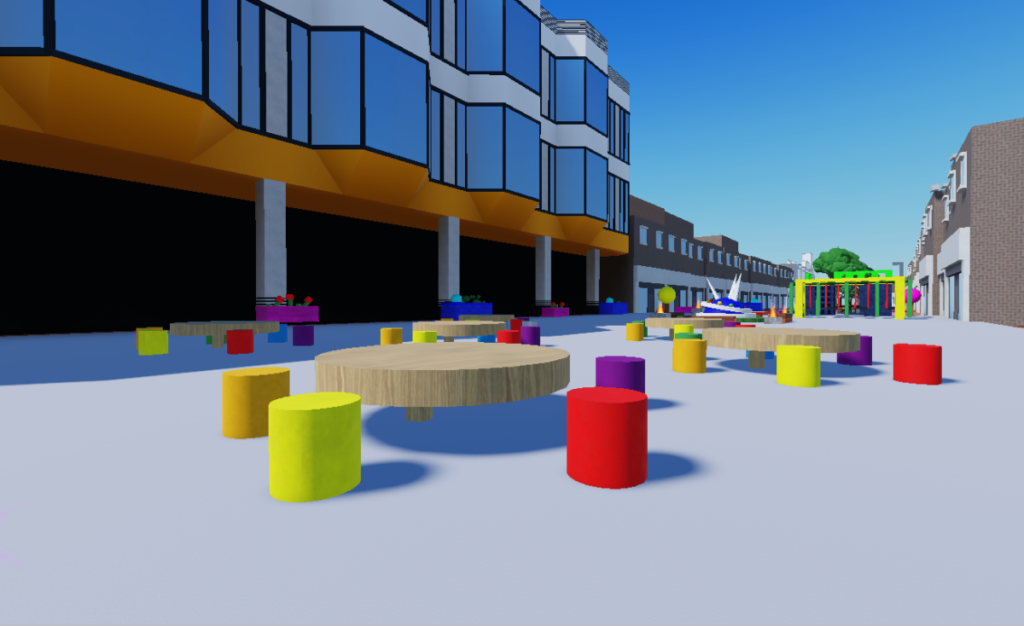
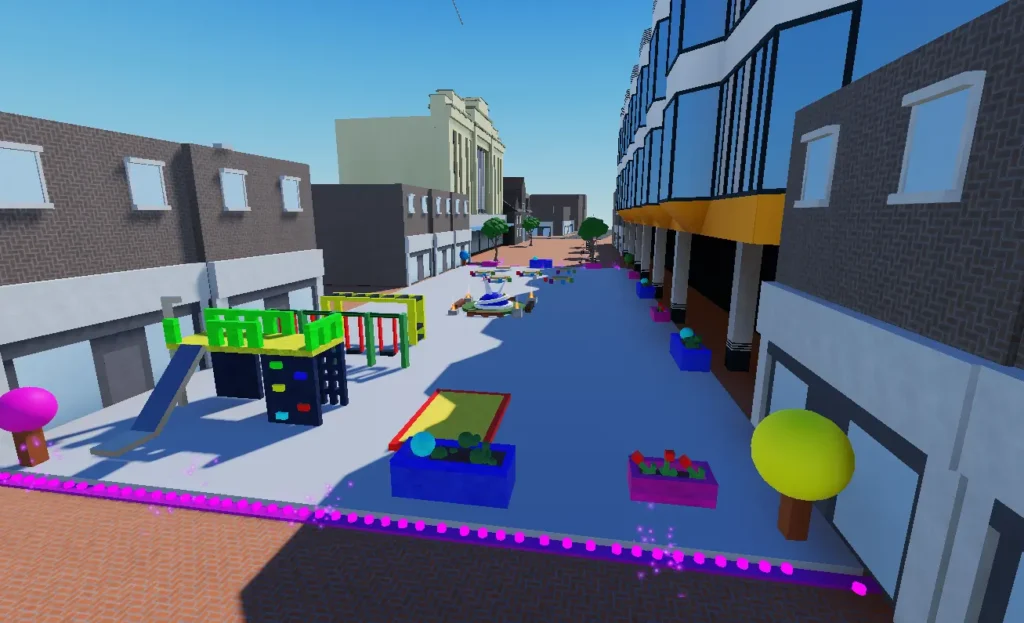
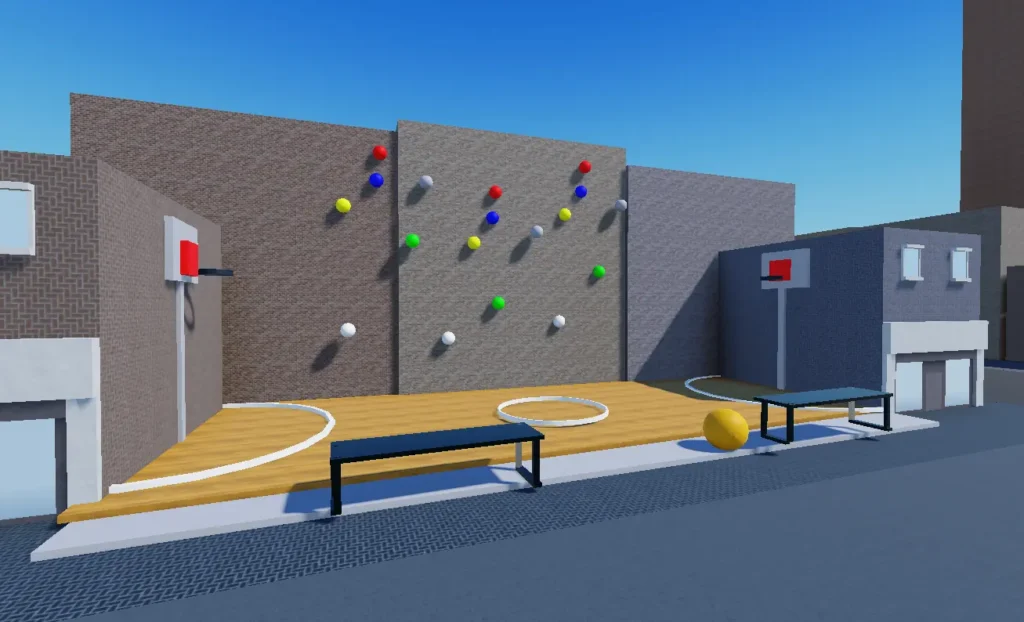
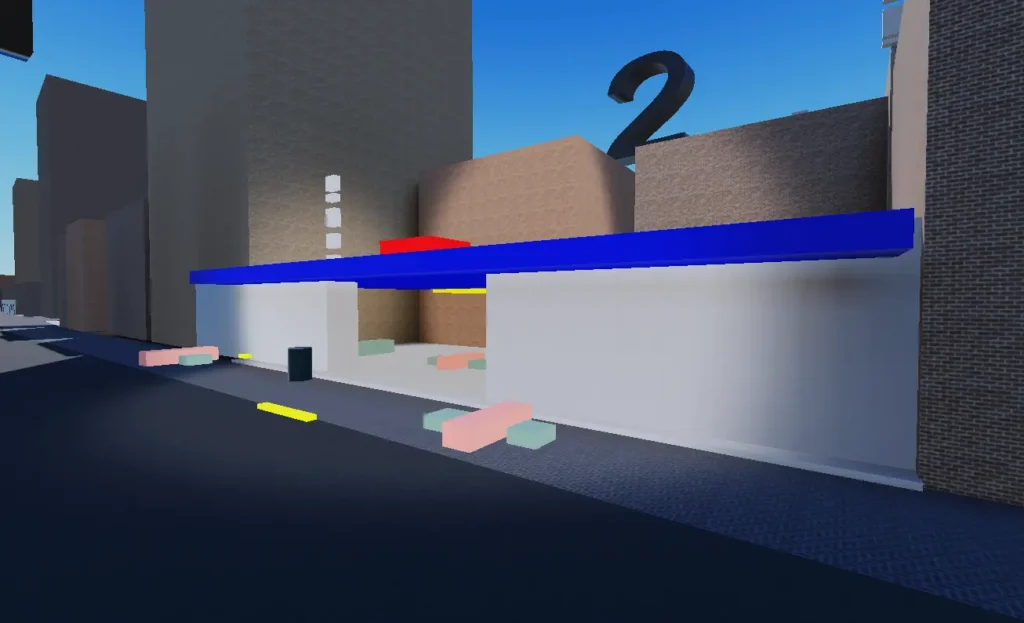
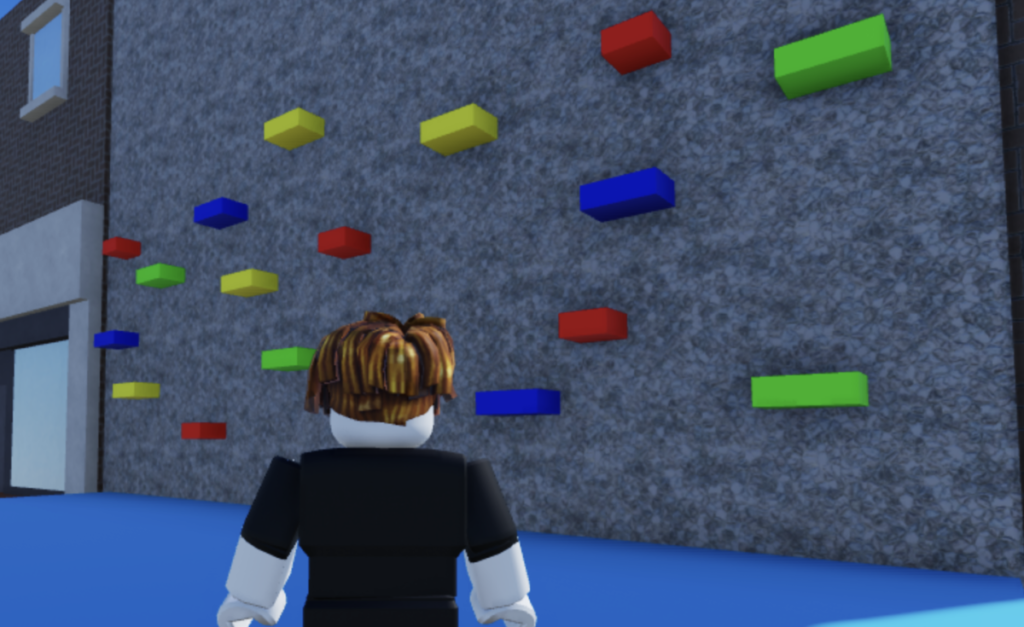
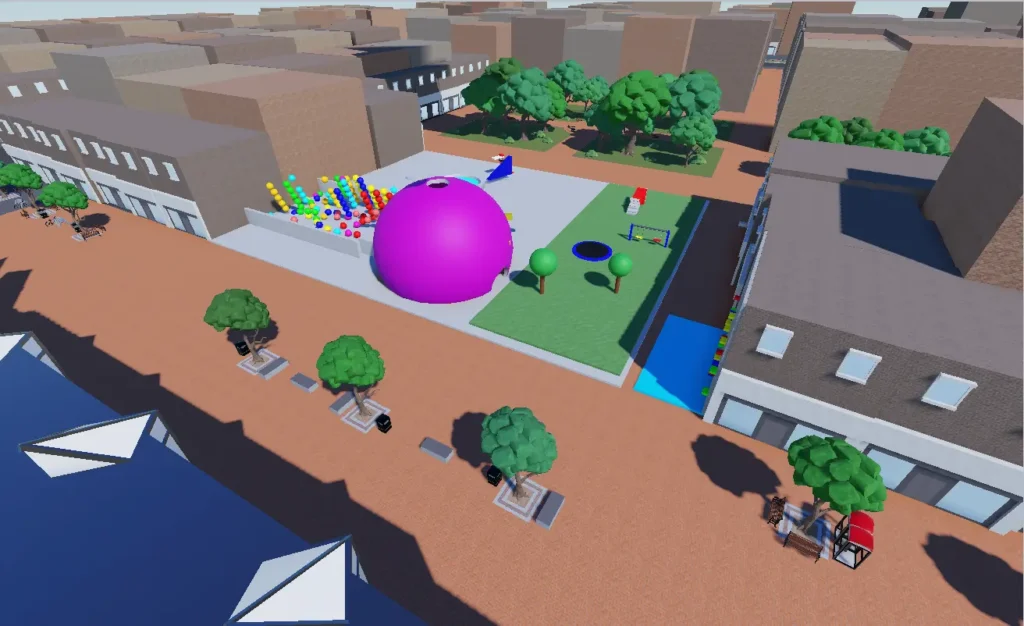
The attention to detail in the builds was impressive:
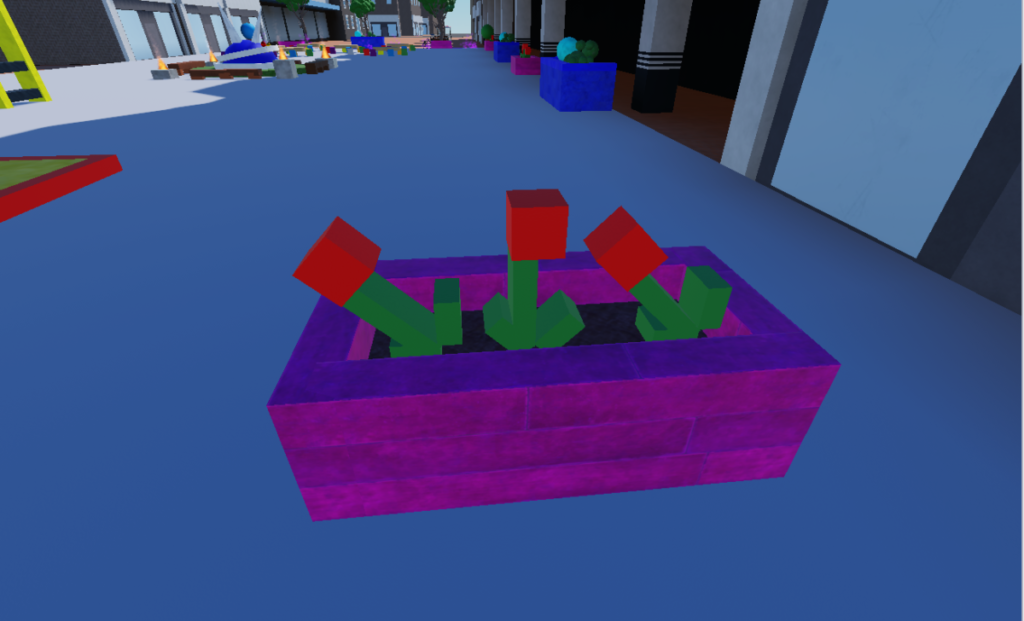
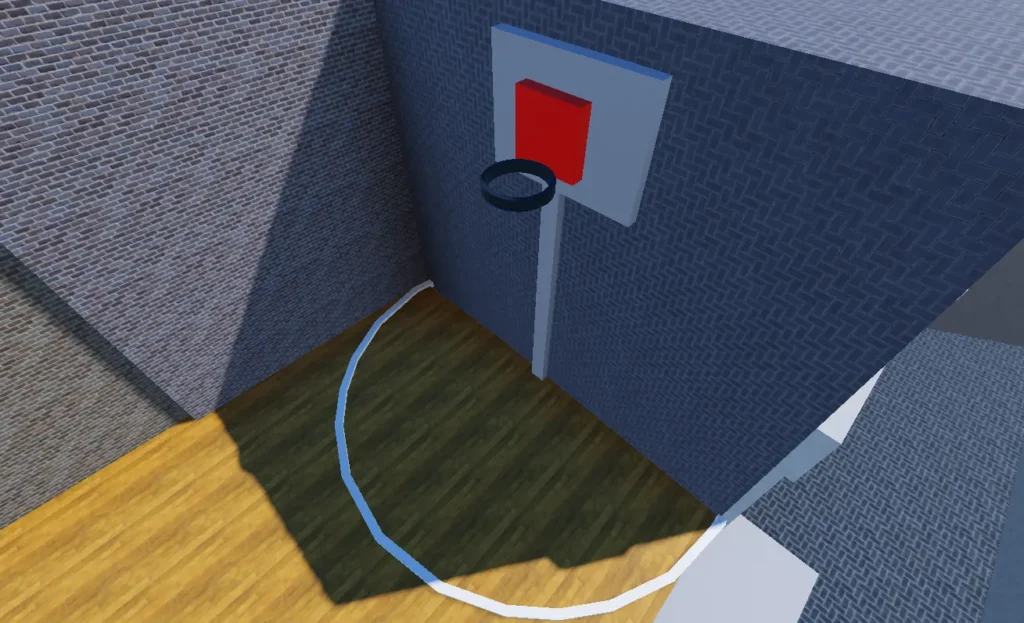
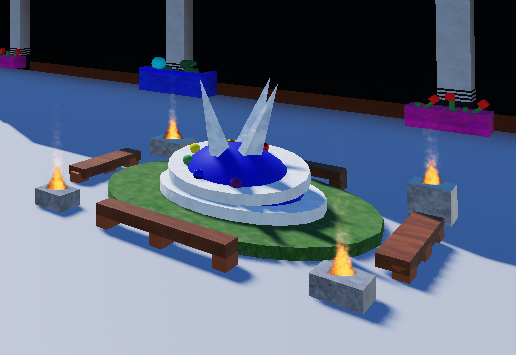
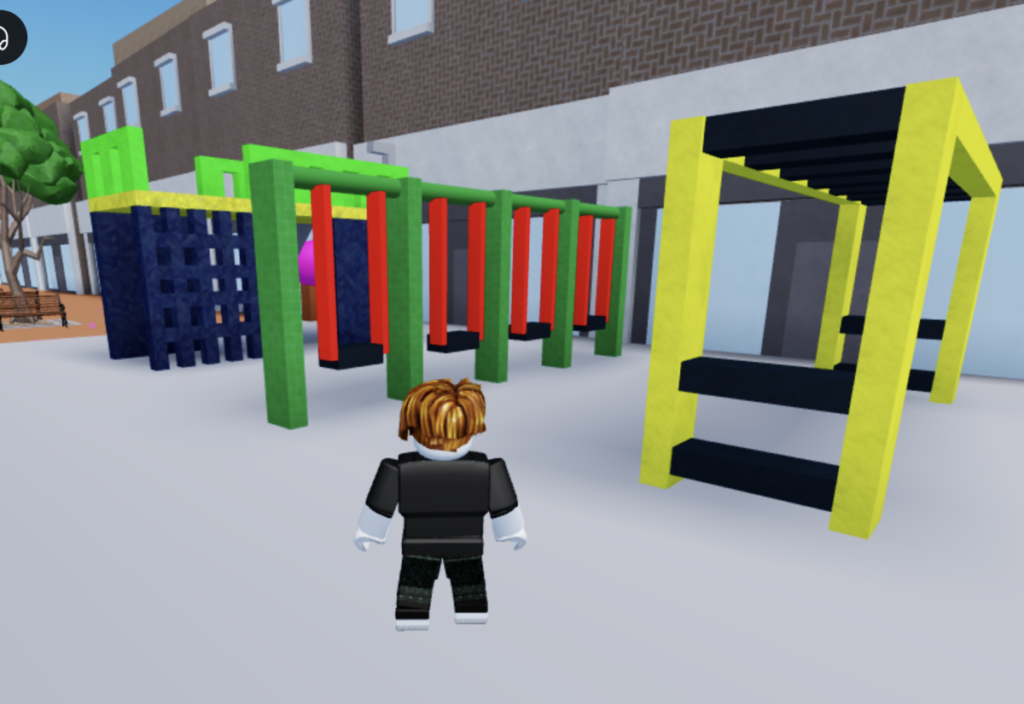
It was a joyful day, with participants across different generations thinking creatively about the places they would like to inhabit, and articulating their design ideas through building them in a safe and playful gaming environment. We saw the children’s confidence grow over the course of the day, and they became more vocal and articulate at expressing what was important to them. It was also wonderful to see the different generations working together, comparing notes and looking at place from a range of perspectives.
A huge thanks goes to Croydon Urban Room for hosting this event, to Dexter for bringing his technical wizardry into the mix, and to all the families that joined us. It demonstrated once again the importance of creating the time and space for conversation, creativity and playfulness in design engagement. This can help make the design of our places relevant and accessible, and activate people of all ages and from all walks of life as placemakers.
The Croydon Urban Room Perspective
For those unfamiliar with Croydon Urban Room, we are a space to talk about the future of Croydon town centre. Through stories, exhibitions and events, the Urban Room brings together the views of those who live in, work in, and visit the area, to develop clear priorities for a plan to steer the town centre’s recovery. We aim to connect people with the design of their neighbourhoods, creating opportunities to learn from one another, exchange ideas and have meaningful conversations about the past, present and future.
The opportunity to work with The Glass-House Community Led Design to develop their existing design and gaming workshop was an exciting way to explore two ideas for the Urban Room: engaging an intergenerational group in conversations about town centre design and testing how the physical space could support gaming as a creative design methodology.
For the Urban Room, the focus was on the North End Quarter, building on themes within the Local Plan. We were particularly interested in the routes connecting East and West Croydon, and how children and their parents might respond to different site conditions, imagine new uses, and identify things they felt were missing from the town centre.
The workshop introduced children and their parents to the built environment through design and explored how Roblox Studio could be used as a tool to imagine new possibilities. Inviting colleagues from across Placemaking to the workshop created opportunities for the ideas, perspectives and insights gathered to be carried forward and embedded within existing and future projects across the Council.