
The 2025/26 WEdesign series, Multigenerational Places, brought people together to explore the power of places that cater for our different stages in life and at the same time, enable connections across age groups and generations.
The Story
In our society, activities, services and many of our places have been shaped to cater for the specific needs of distinct stages of our lives. We find surprisingly few opportunities to connect with people of different ages outside our family circles. Instead, we generally find ourselves studying, working and socialising within our own age group.
Multigenerational Places brought people together across communities, ages, sectors and disciplines to explore how we can create more spaces to connect with people of other ages, and how this might benefit us as a society. We considered potential improvements to our health and wellbeing, our social, economic and cultural lives, and to our natural environment through a series of co-design propositions for ways to improve how we shape our places.
Multigenerational Places was our way of generating and sharing provocations and propositions for changes to how we shape, manage and share our built and natural environments. Our WEdesign programme created an opportunity to demonstrate the power of collaborative design to bring diverse people together to drive that change.We were proud that like last year, this year’s series attracted participants representing every decade from teens to people in their 80s.
Here is a brief overview of the different components of the programme:
Multigenerational Places Online
For both our online special edition WEdesign Chat, and for our series of Multigenerational Places Think Pieces, we collaborated with the Intergenerational National Network and together, convened an exceptional and unprecedented number of contributors.
Multigenerational Places Think Pieces
This was the first time that we had co-curated our WEdesign Think Pieces with a partner organisation and are grateful to Intergenerational National Network Coordinator Pat Scrutton for helping us to gather such an interesting and inspiring range of voices, experiences and propositions. With her help, Multigenerational Places Think Pieces brought together an eclectic group of contributors representing voices that cross sectors, disciplines and geographical borders to explore our series theme.
We could not have imagined the many facets of our built environment and our lives that the Think Pieces would explore. Our diverse contributors consider the arts and education, heritage, homes and co-housing, play, green spaces, growing and food production, intergenerational research and practice, LGBTQ rights, place equity and accessibility, just to name a few.
Our contributors included: Judy Wilkinson, Marguerite Hunter Blair OBE, Richard Vytniorgu, Aisha Taj, Stuart Paul, Leo Care, Judith Sixsmith, Mei Lan Fang, Isobel Standing, Ryan McKay, Sarah Sweeney, Natallia Tanko, Sally de Sousa, Louis Cook, People First Merseyside, Darren Chadwick, Rhiannon Mackenzie Phelan and Susan Buell.
Special Edition Glass-House Chat: Designing Multigenerational Places
Our special edition WEdesign crossover chat, Designing Multigenerational Places, created an intimate and informal conversation to explore this year’s WEdesign theme, Multigenerational Places. The session was co-hosted with Pat Scrutton, Co-ordinator of the Intergenerational National Network.
Find out more about this event in the Designing Multigenerational Places event blog.
Multigenerational Places: Student Programme
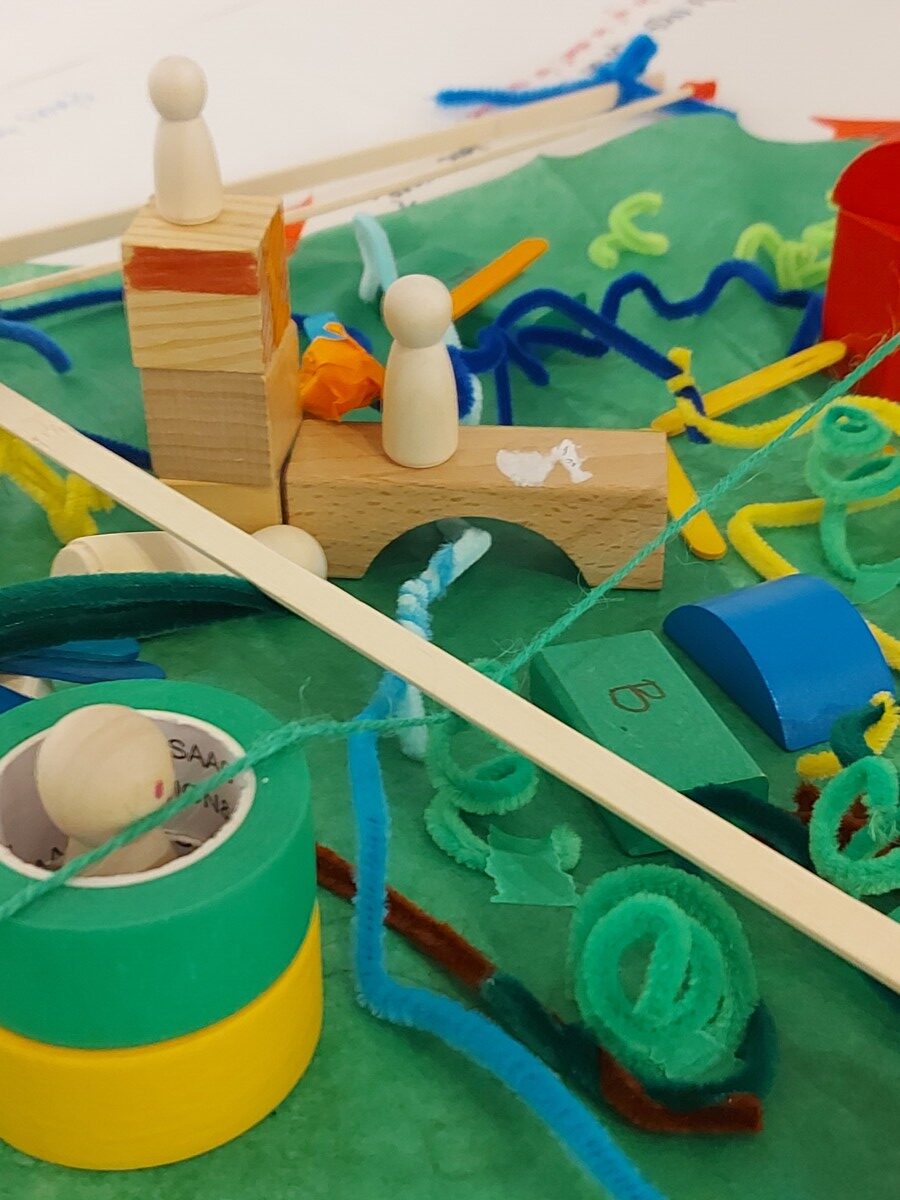
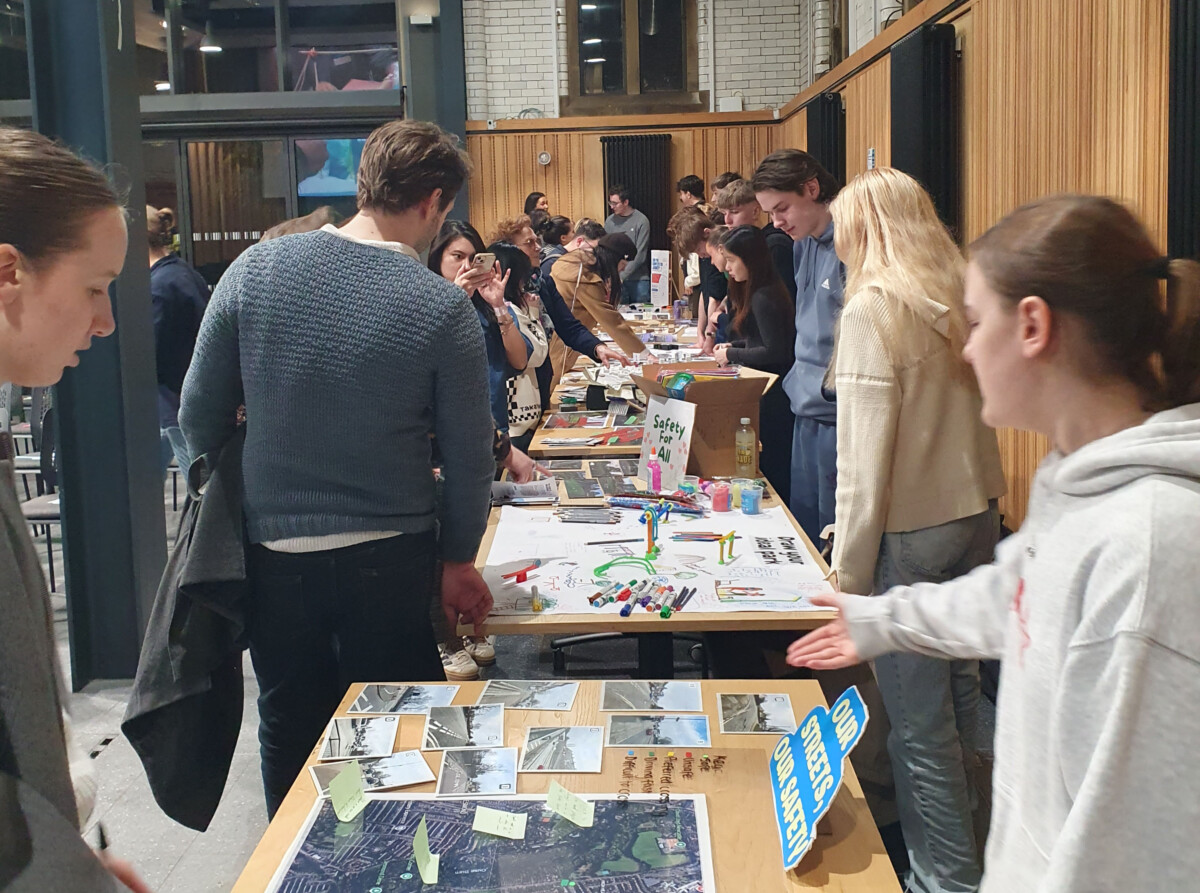
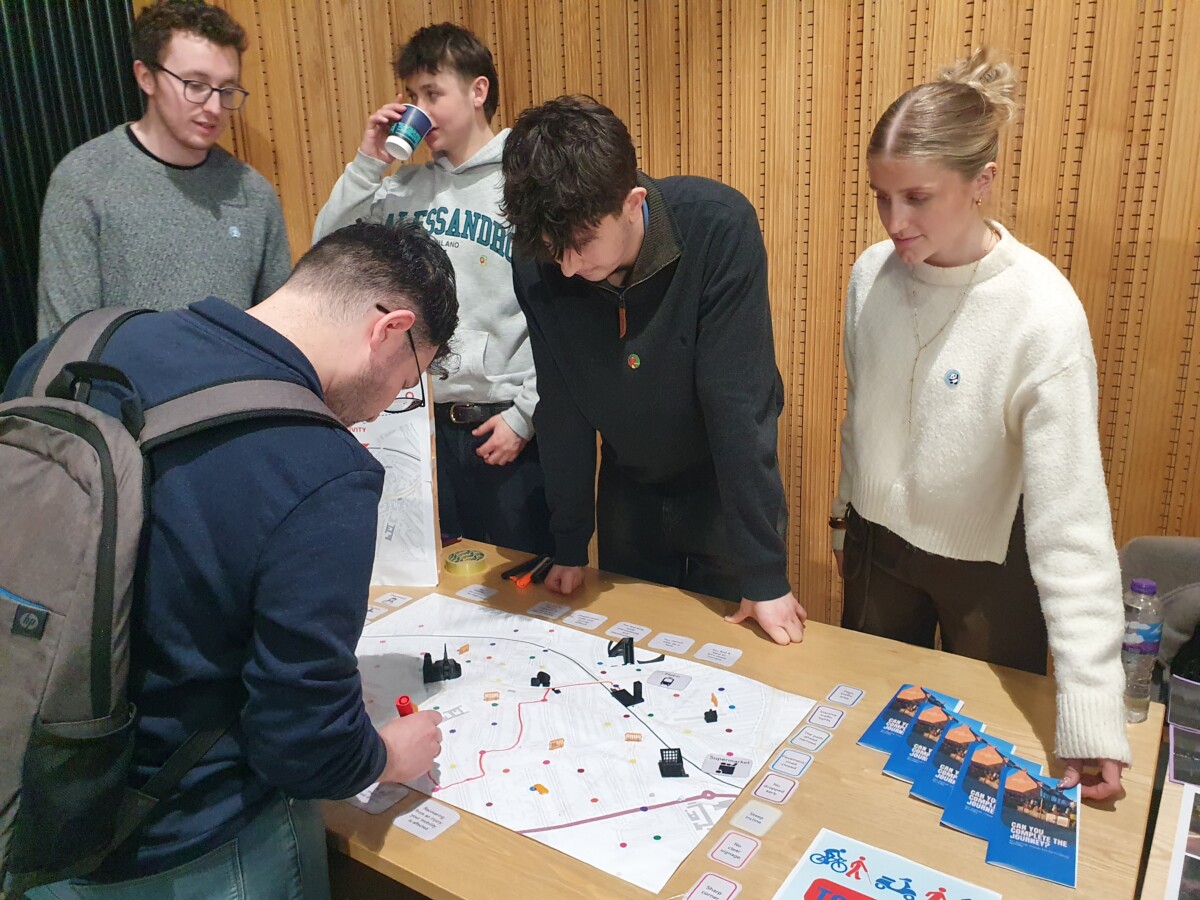
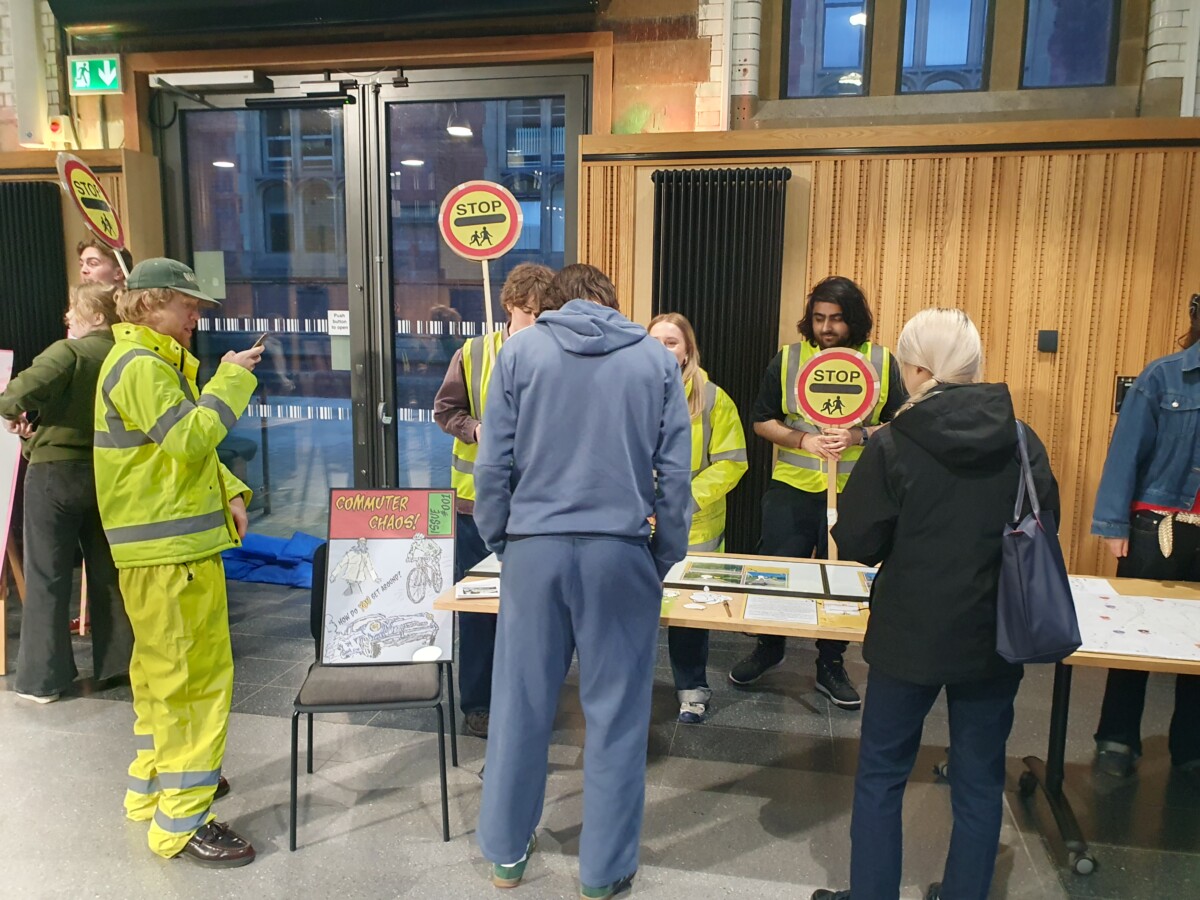
This year, as in previous years, we partnered with The Glasgow School of Art, the University of Sheffield, UCL Bartlett and Newcastle University to deliver in-person co-design events with an associated student programme. We experimented with different settings, bringing in other local community and practice-based partners. We also introduced a student design competition, which tasked students with formulating and testing creative and inclusive ways to engage people of all ages in design and placemaking.
Multigenerational Places: In-person Events
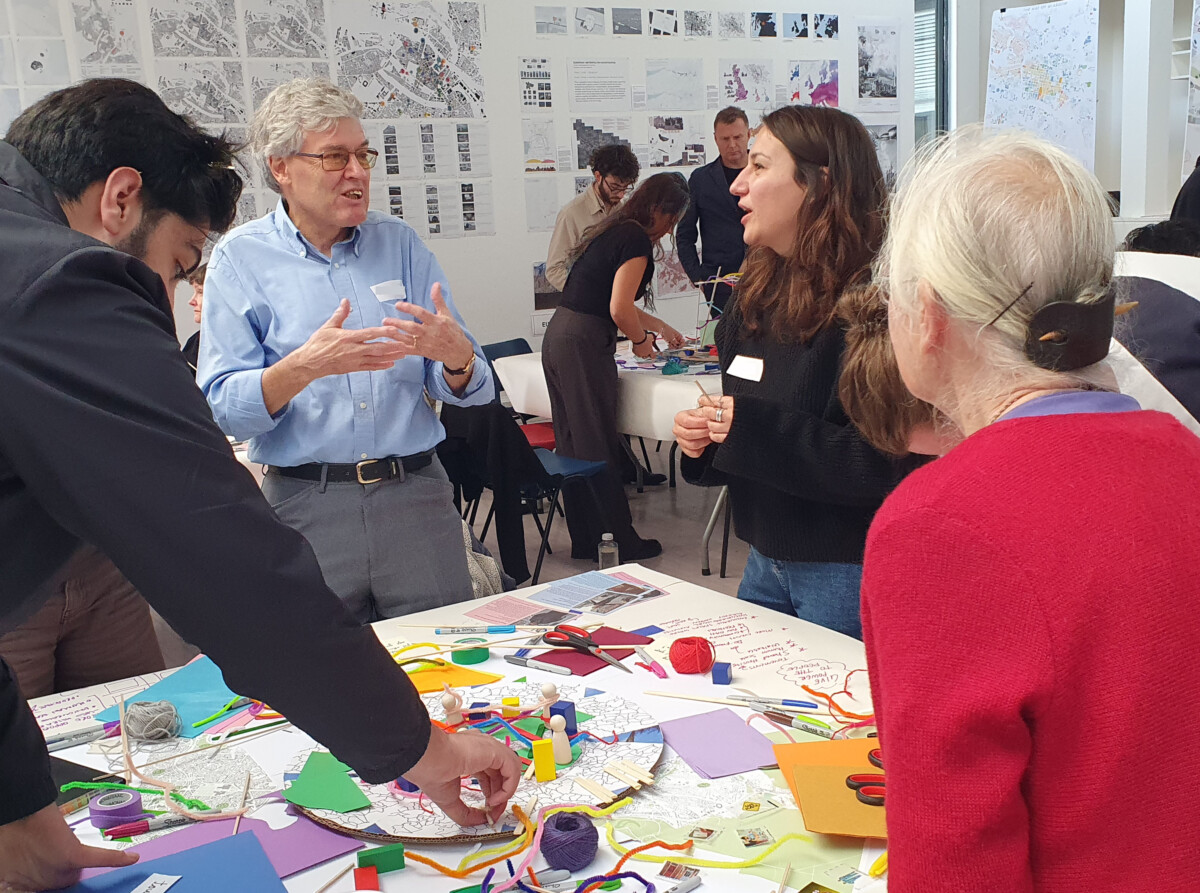
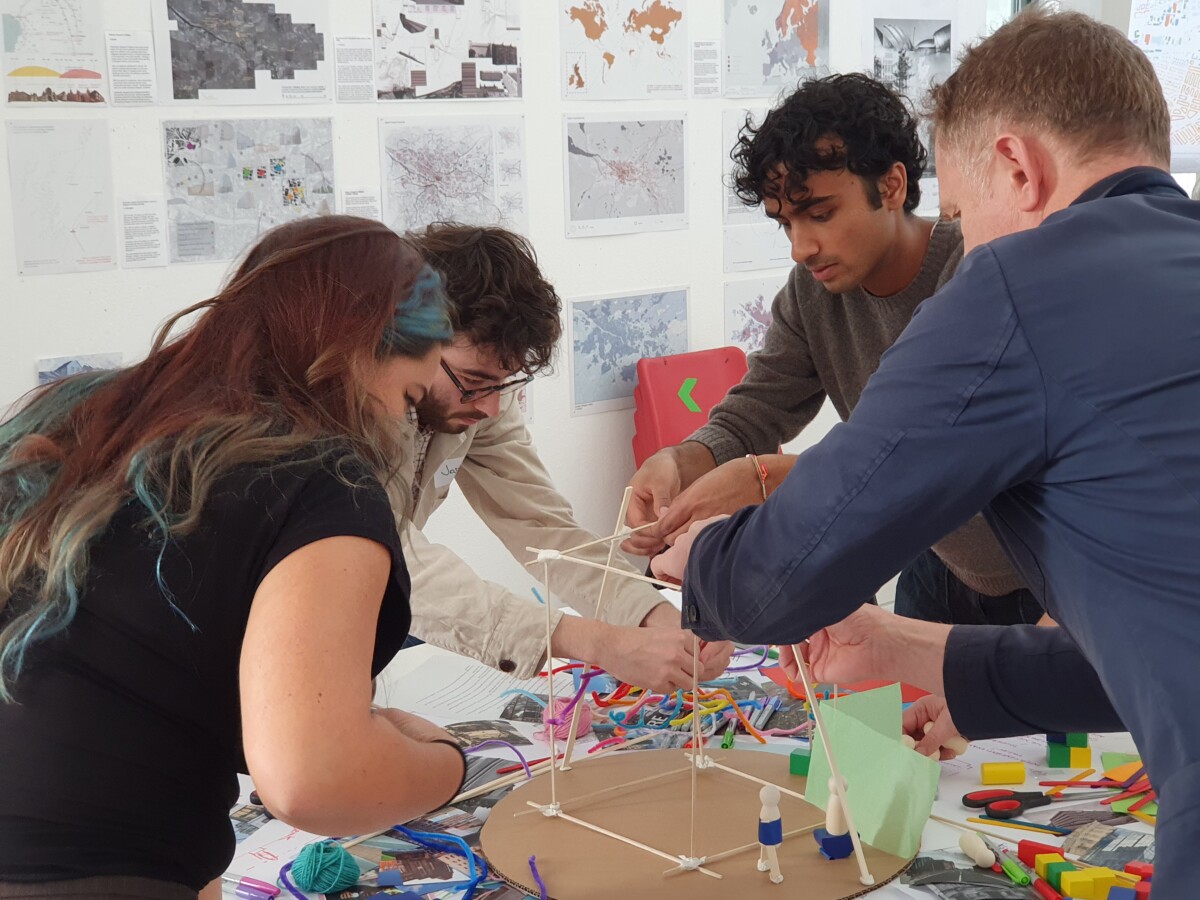
These events follow a flexible framework, allowing tutors and students to co-design elements of the programme to align with their interests and studies. Students took the lead on designing and using prompts for conversation during the event, which allowed them to experiment with different design engagement methods they are developing as part of their studies. The events provided a supportive environment for them to test and refine their ideas. These sessions not only enrich the learning experience for our students but also empower participants to actively engage in discourse on placemaking and experience the power of bringing diverse people together through co-design.
Multigenerational Places: Glasgow
This was another collaboration with Miranda Webster and Kirsty Lees, Stage 4 and 5 Leaders at the Mackintosh School of Architecture and a group of their students who co-facilitated the event.
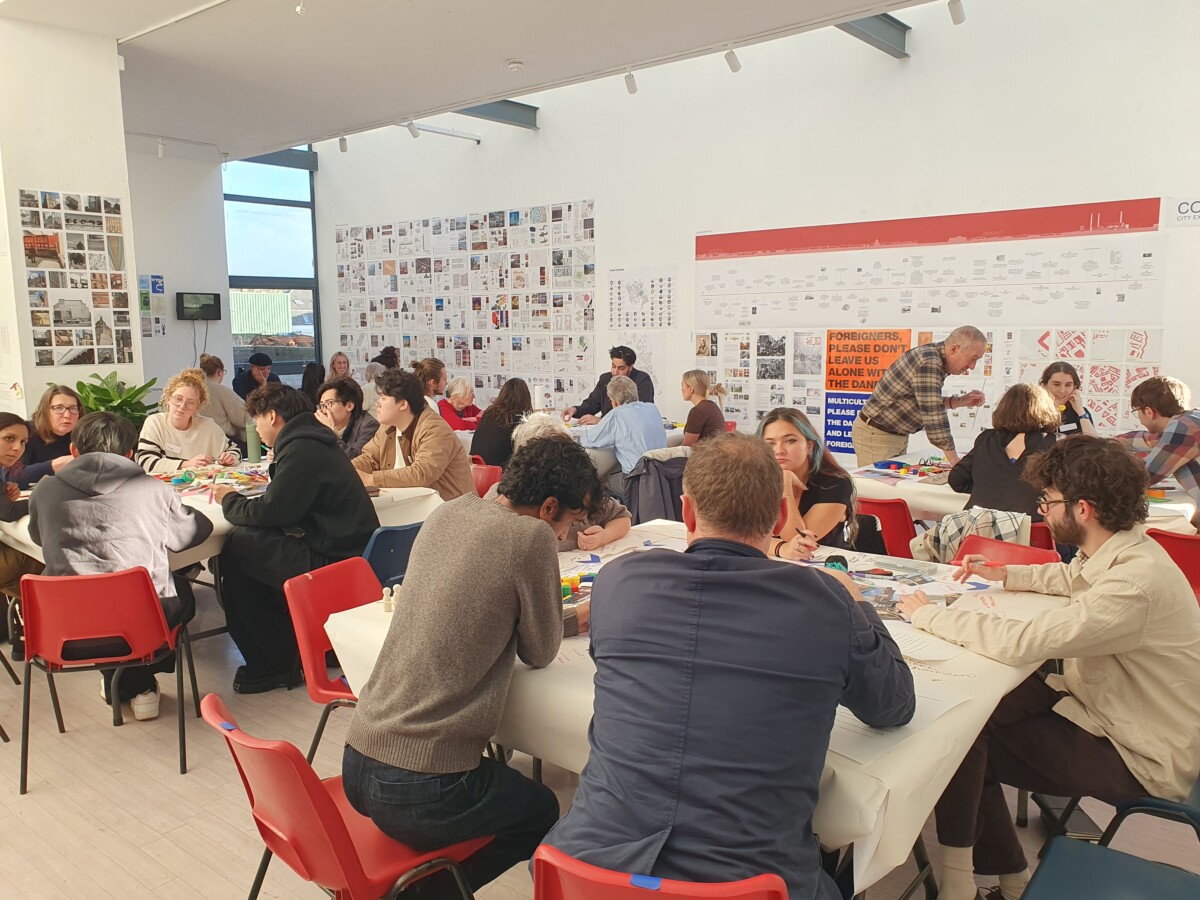
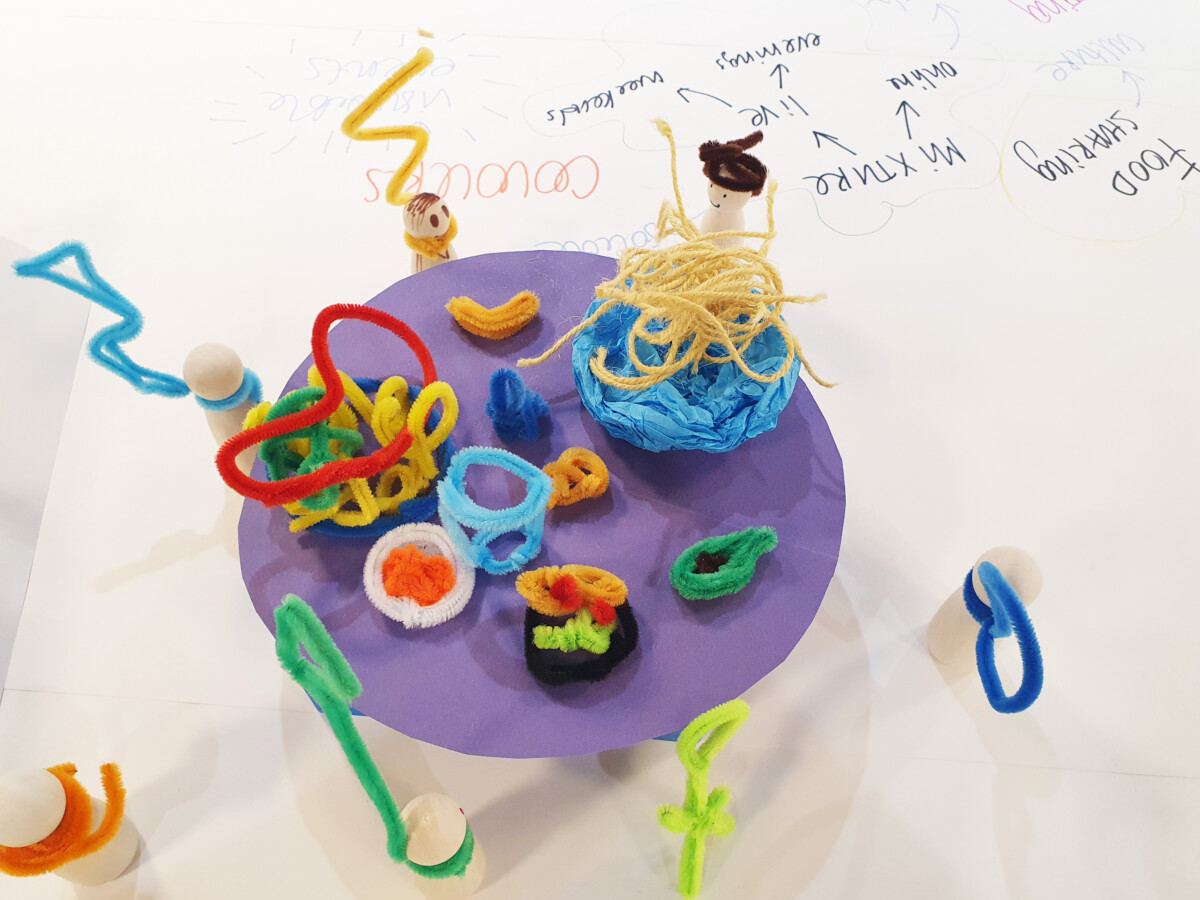
Set within the context of the School’s City Forum event exploring the theme of Liveable Cities, our afternoon session invited members of the public into a gallery space lined with student work mapping the cities of Glasgow and Copenhagen. It was an evocative backdrop to an afternoon exploring the role our buildings, spaces, homes, neighbourhoods and high streets can play in connecting people across generations. We were delighted to bring together a truly multigenerational and diverse group of people to do this.
Find out more about this event in the Multigenerational Places: Glasgow event blog.
Multigenerational Places: Sheffield
Multigenerational Places: Sheffield, a collaboration with the University of Sheffield’s School of Architecture and Landscape and Live Works, was kindly hosted by the Israac Somali Community Association. It was co-designed and co-facilitated with longtime collaborator, Year 3 Undergraduate Programme Leader and Live Works Co-Director Leo Care, and a group of his students.
The evening event continued our series exploration of the role that our buildings, spaces, homes, neighbourhoods and high streets can play in connecting people across generations, as well as how we can better cater for all the generations present in our society through great design, placemaking and collective action. We were thrilled to have a particularly strong presence of young people in the room, as well as two generations of several families attending the event together. The age range in the room demonstrated that creating more multigenerational spaces is of interest to all ages.
Find out more about this event in the Multigenerational Places: Sheffield event blog.
Multigenerational Places: London
Multigenerational Places: London, on 25 February, was a collaboration with The Bartlett School of Planning. Once again, we worked with Professor Lucy Natarajan and Lecturer Martha Mingay, along with a group of their students at various stages in their studies, to co-design and co-facilitate the event. We were kindly hosted by The Alan Baxter Gallery.
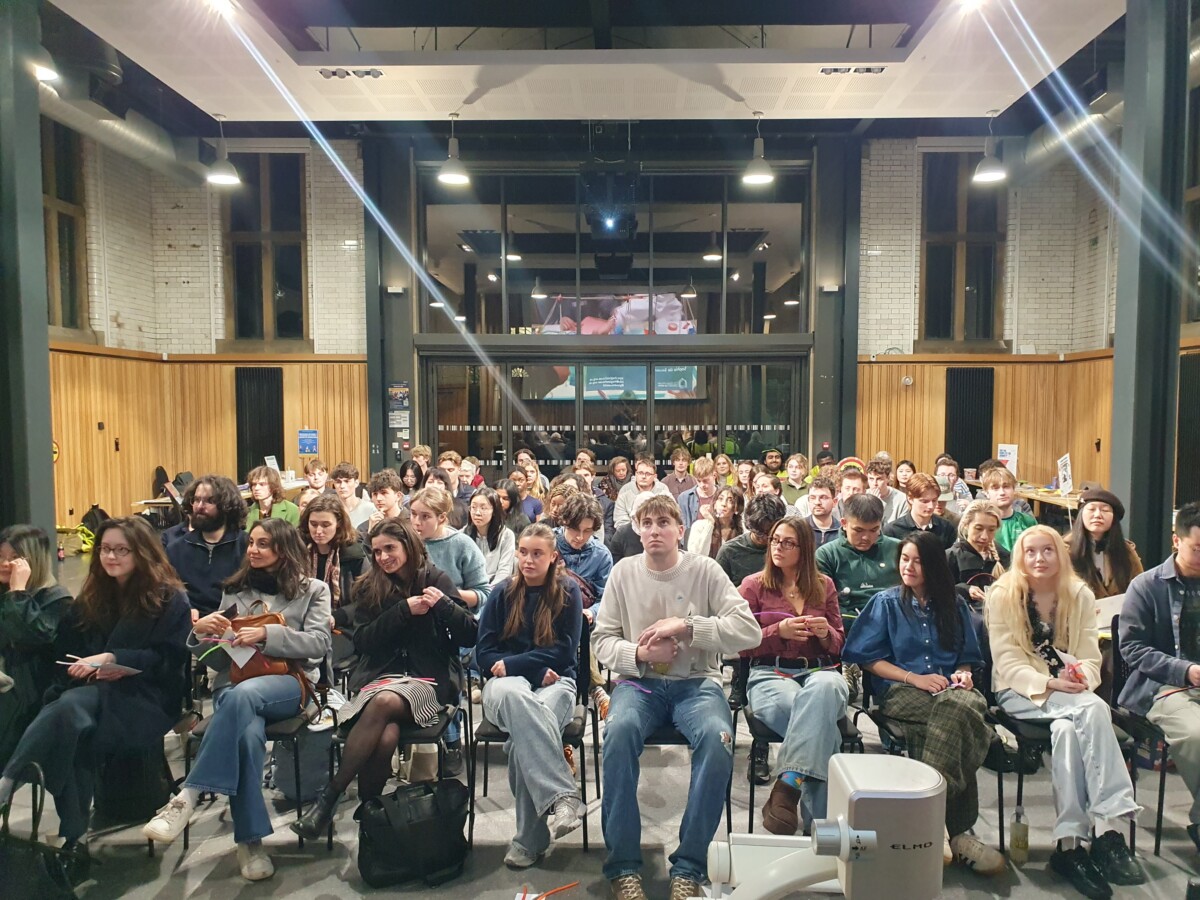
The event brought together a diverse range of people from communities, practice, policy, research and education to consider how we can shape more multigenerational environments. With an incredibly multicultural mix of participants representing every decade from their 20s through their 70s, we also had people with a range of ages and experiences taking part. All stepped into the space keen to connect, collaborate and get creative.
Find out more about this event in the Multigenerational Places: London event blog
The event also sparked a flurry of blogs by our UCL student facilitators, Ellen Golding, Xavier Jude Ong and Max Chen Ziming.
Multigenerational Places: Newcastle
Multigenerational Places: Newcastle, was a little different from the others in the series. A collaboration with Newcastle University’s School of Architecture, Planning and Landscape and the Farrell Centre, the university’s urban room, this event had a particular focus on how we can better engage communities in shaping places that both cater for people of different ages and that create opportunities to bring them together.
As we had in our previous WEdesign events in Newcastle, we collaborated with Armelle Tardiveau, Senior Lecturer and Dr Alkistis Pitsikali, Lecturer, in Architecture. They linked the WEdesign student programme to a specific degree module with a focus on participation, into which The Glass-House injected a workshop with the students on design engagement and created a design competition to help inspire and activate the students to co-design engagement activities.
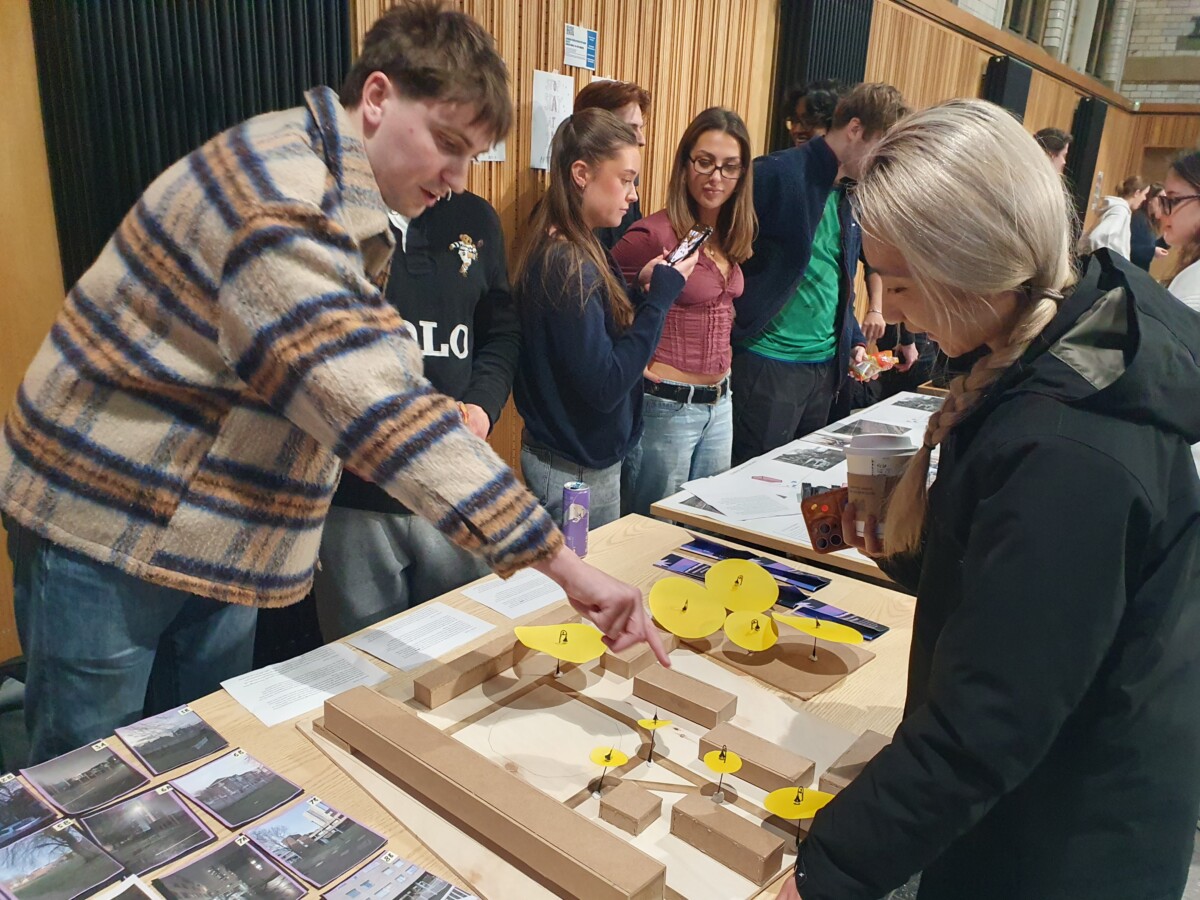
Multigenerational Places: Newcastle became a safe space for students to both showcase and test their engagement ideas, and the associated props and prompts, with the public. This engagement marketplace was then followed by a talk from The Glass-House Chief Executive, drawing on Glass-House work to explore and innovate the role of engagement in informing design and placemaking, and in creating social value opportunities as well as built outcomes.
Find out more about this event in the Multigenerational Places: Newcastle event blog.
We have also compiled a small publication showcasing the students’ design engagement ideas to inspire practitioners and communities alike, which you can read here.
Multigenerational Places: Practice
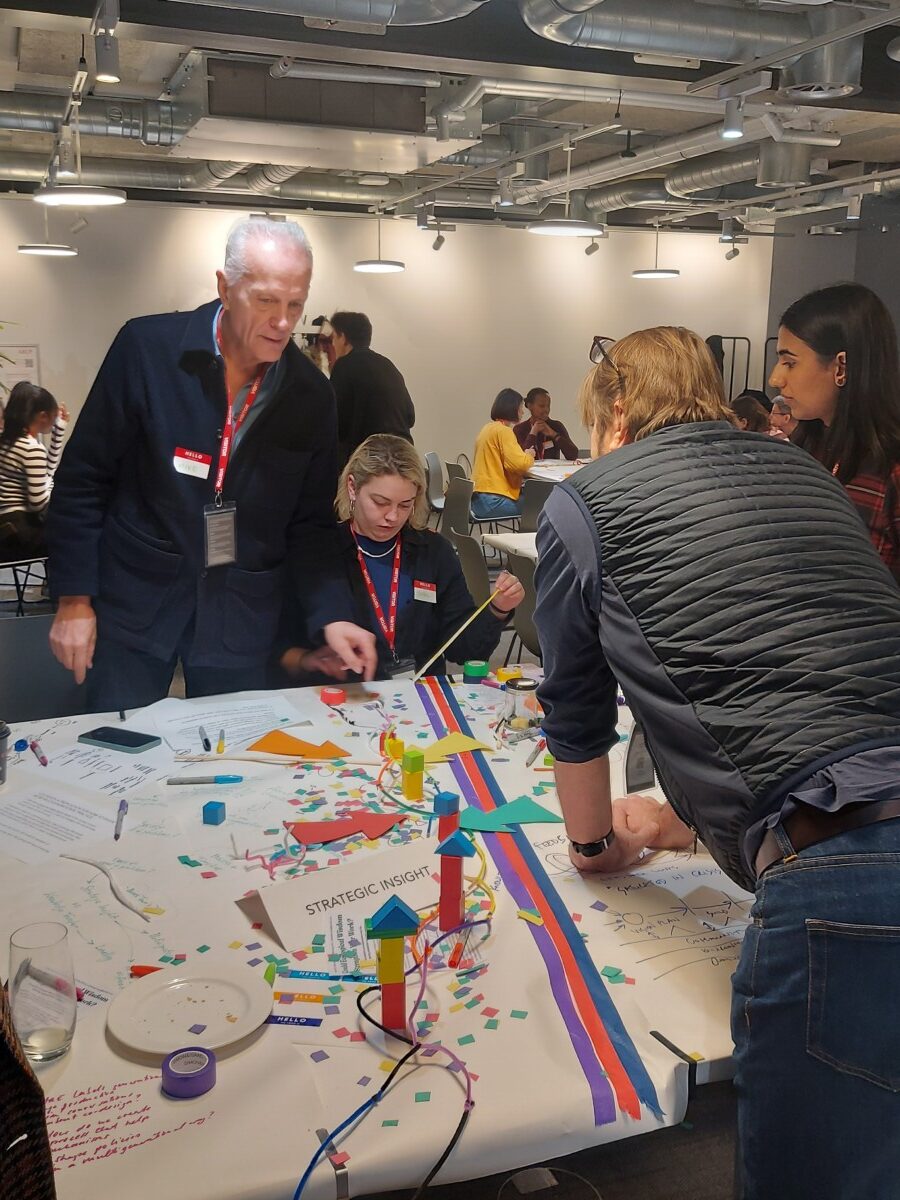
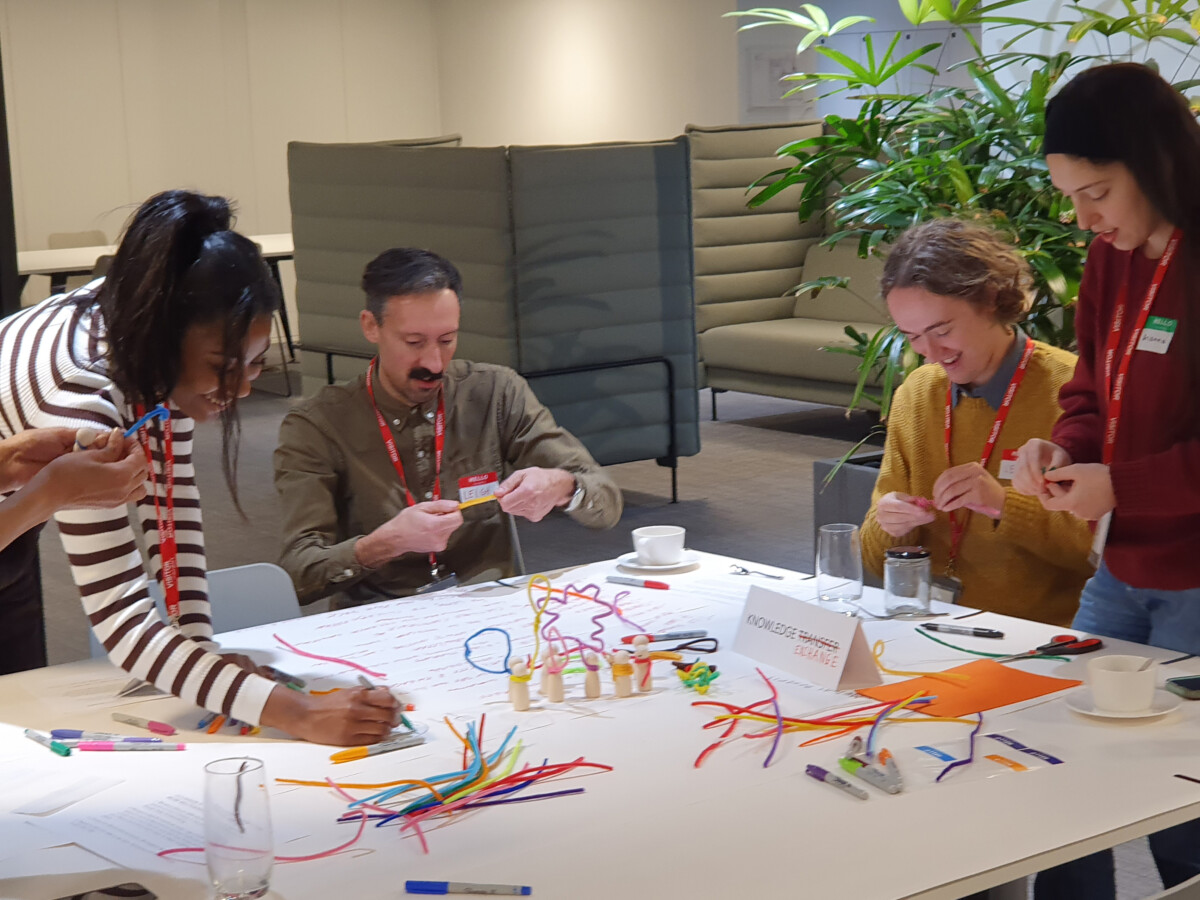
Multigenerational Places: Practice, in collaboration with Arup, was a WEdesign breakfast event specifically for practitioners. At this event, we were keen to explore the benefits of bringing together complementary skillsets and experiences of practitioners at different stages in their careers. We considered whether this could improve the quality and efficiency of work with communities of all ages and potentially increase personal and professional growth and workplace satisfaction for all involved.
Find out more about this event in the Multigenerational Places: Practice event blog.
Multigenerational Places Manifesto
This year, we wanted our series to have a tangible output to serve as a call to action for communities, practitioners, educators and policy-makers. Our Multigenerational Places Manifesto sets out key recommendations and captures voices from across the series.
Gallery
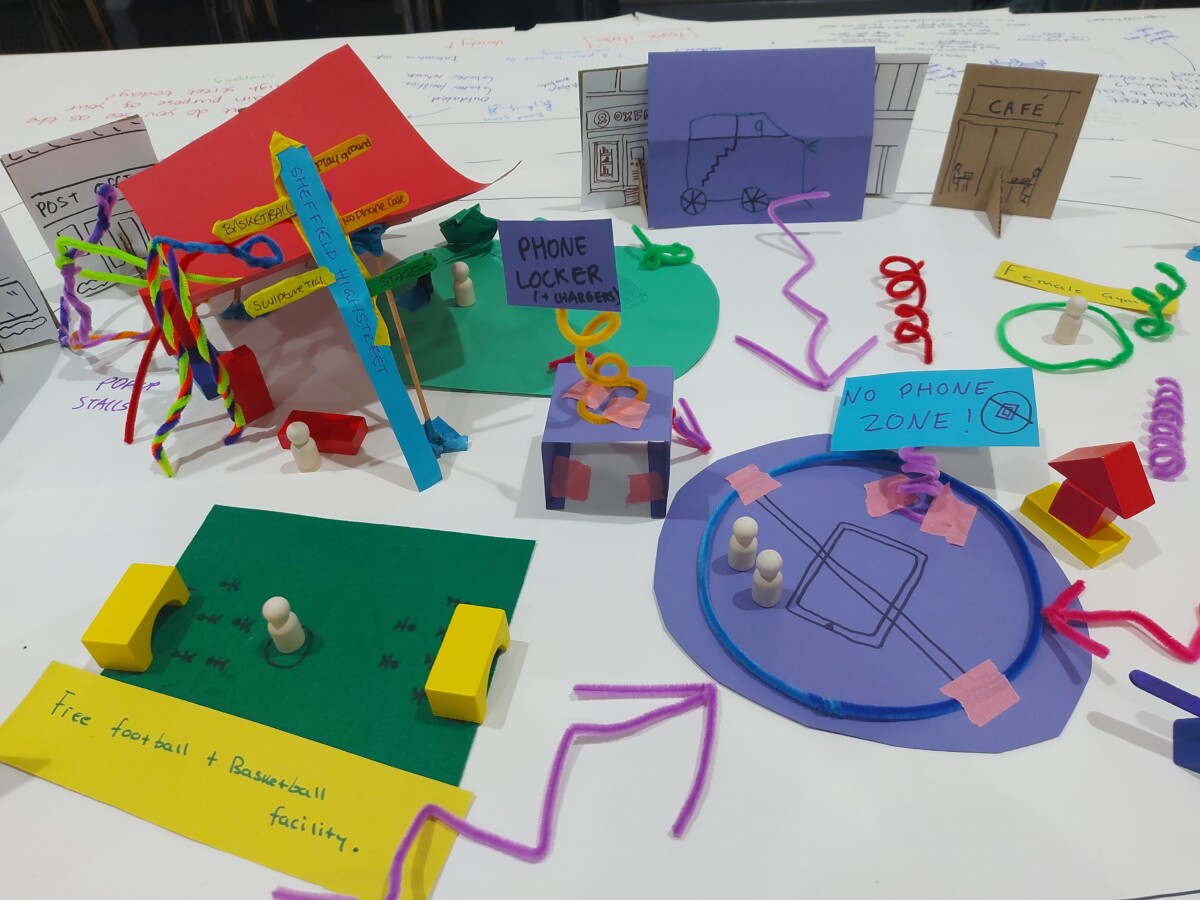
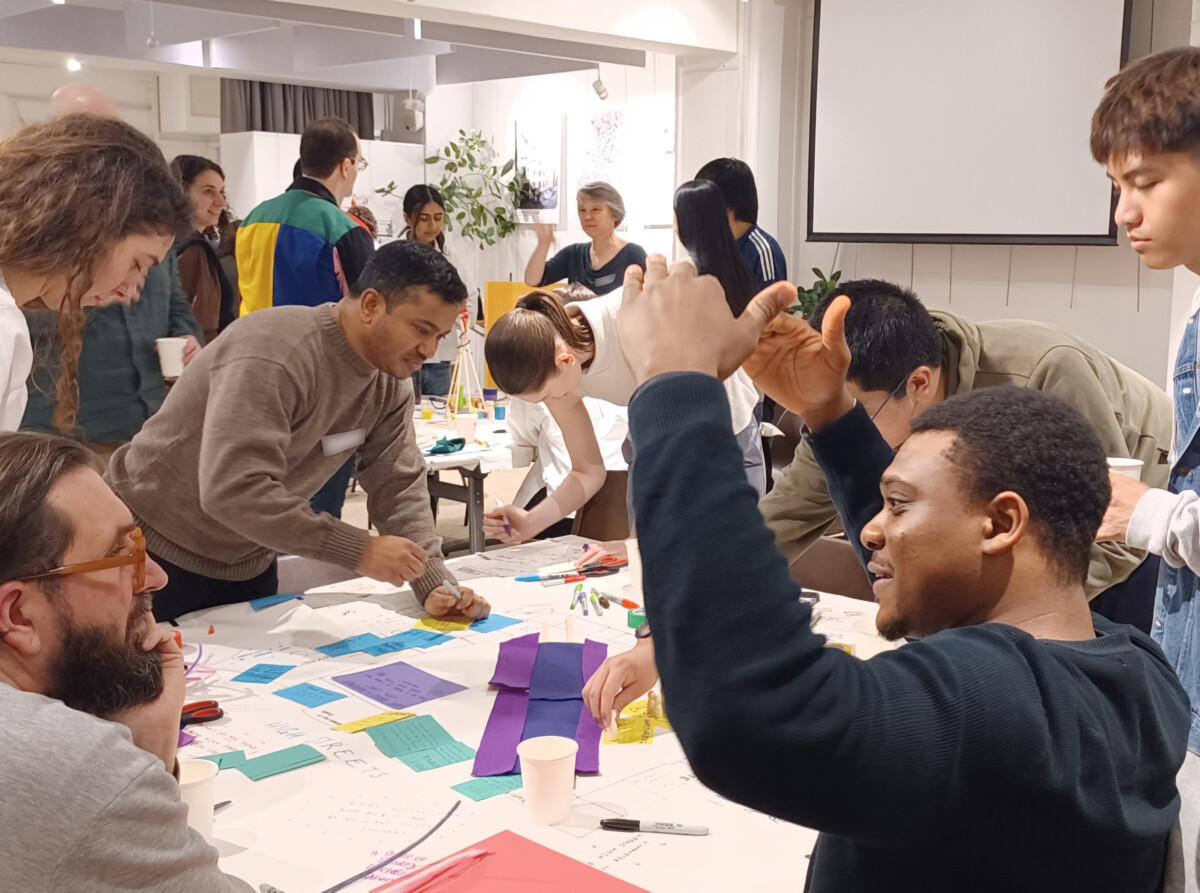
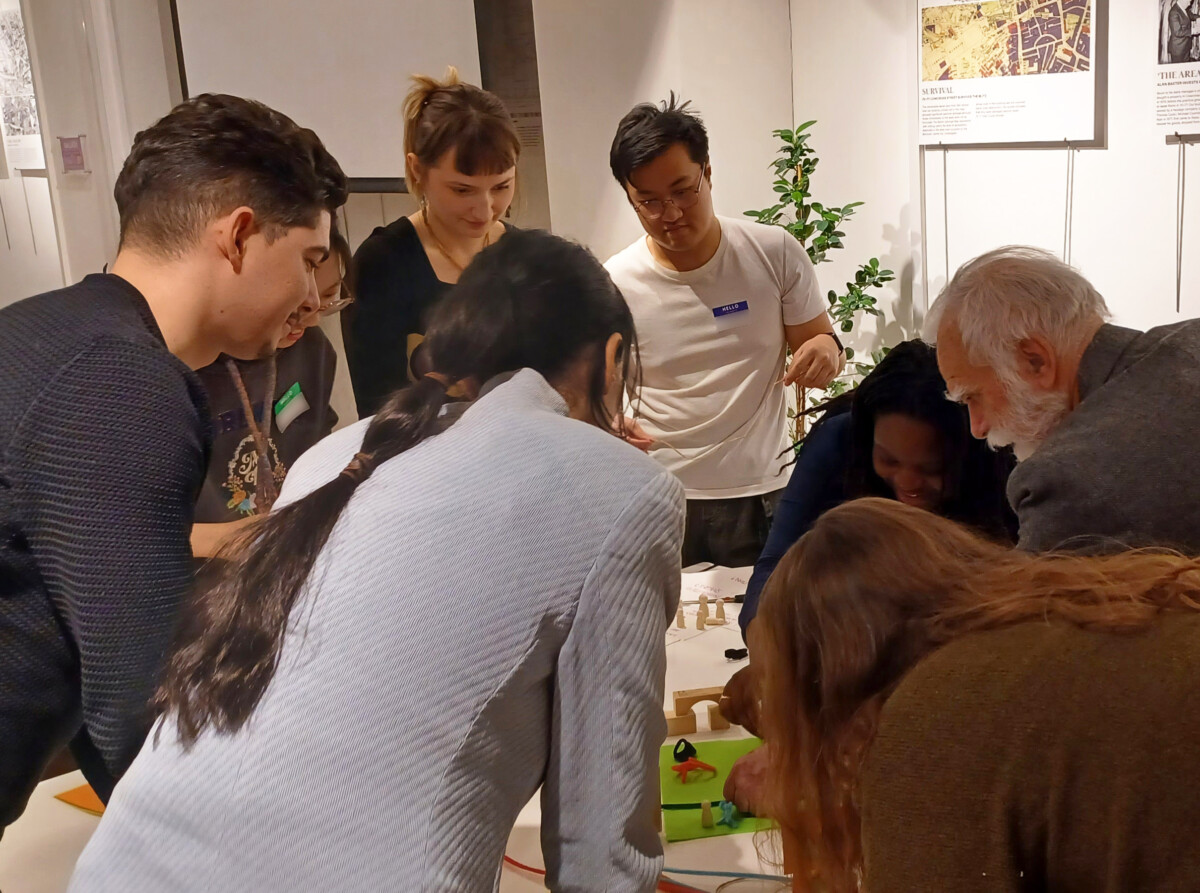
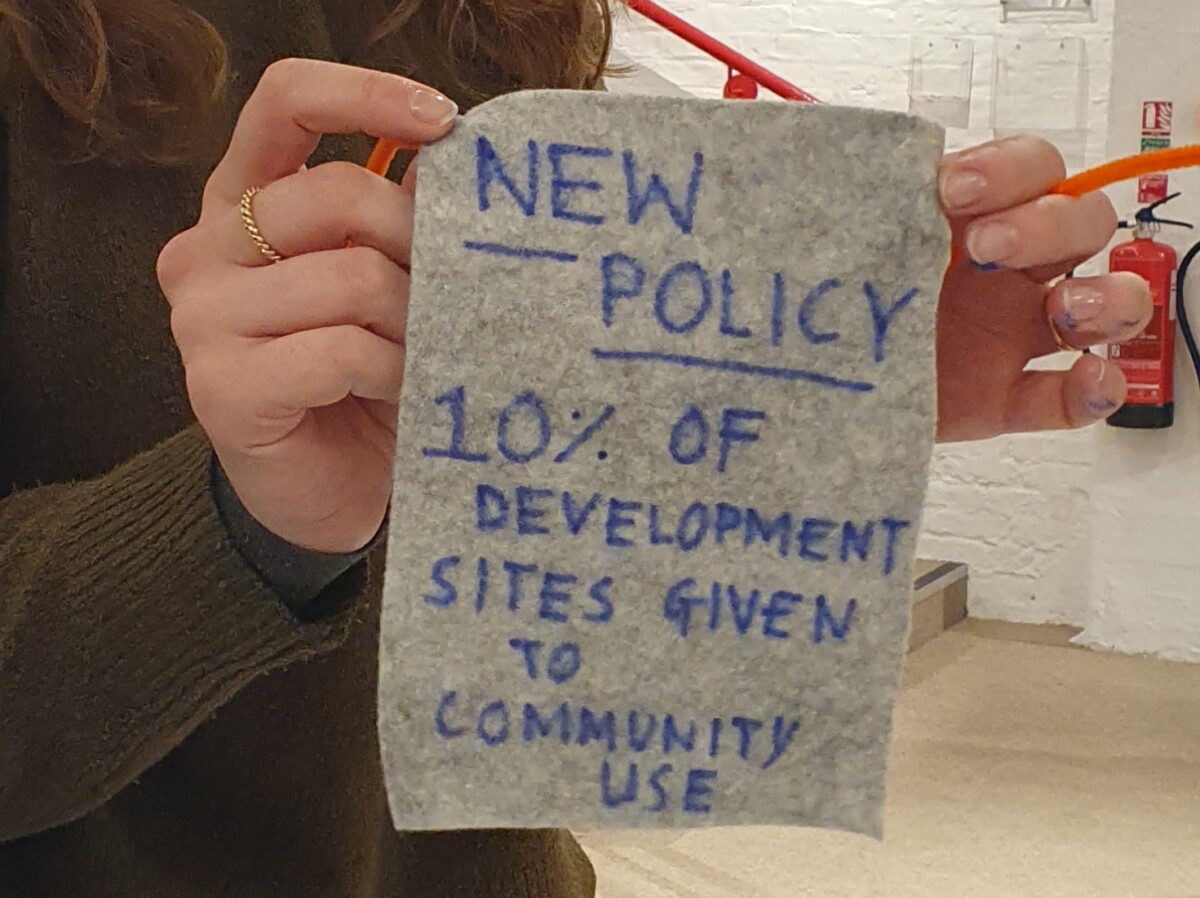
Impact
Amid a growing sense of isolation, disconnection, and loneliness, and the challenges associated with financial and various global crises, this year’s WEdesign series, Sharing Place became a safe space to come together across generations to explore how we can work together across generations to improve our places and our quality of life.
“Working with different generations made me acknowledge the actual importance of this collaboration as I found new perspectives about multigenerational living from people older than me.”
“It was fun, refreshing and a good reminder to break from the grind and connect with some other people/ perspectives.”
Through in-person co-design events and online spaces for conversation, we created spaces for reflection, learning and connection. Our Think Piece series offered provocations that sparked rich, cross-sector discussions.
We expanded our WEdesign Student Programme, giving more students the chance to co-lead and engage with public audiences, and this year also injected a new focus on how to engage the public in design and placemaking conversations. University partners described WEdesign as a valued part of student learning, and a space that complements and enhances their didactic programmes. This year, 96 students took part in our student programme.
“It was particularly insightful to interact directly with members of the public, including local residents and representatives from the City Council. Hearing their perspectives helped reveal how these barriers are experienced in everyday life and how local knowledge can contribute to conversations around more inclusive design.”
“A valuable experience exploring participatory design and seeing how dialogue between students, professionals and local communities can inform more inclusive approaches to the built environment.”
The addition of an event specifically for practitioners brought another interesting dimension to the series, with a number of key actional recommendations for ways of working that could enhance both the quality and experience of work drawing on the experience, creativity and skills across generations both within the workplace and when working with communities.
This year the addition of the Multigenerational Places Manifesto helped encourage our participants to co-design actionable recommendations and changes to policy, practice and culture. This helped create some clear messages to policy-makers, practitioners and communities alike for the role that we can all play in driving change. The Department for Communities and Local Government received our Manifesto with enthusiasm, at a key stage in their work around design engagement, particularly with young people.
Explore
Publications
We have created a number of publications that capture this series:
- Multigenerational Places Manifesto
- Multigenerational Places: Reflections on the 2025/26 event series
- Multigenerational Places: Think Piece Collection
- Multigenerational Places: Student Design Engagement Challenge
On the Blog
There are also several blogs that capture individual elements and voices:
Event blogs
- Multigenerational Places: Glasgow
- Multigenerational Places: Sheffield
- Multigenerational Places: London
- Multigenerational Places: Newcastle
- Multigenerational Places: Practice
- Special edition Glass-House Chat: Designing Multigenerational Places
Student blogs
- By Ellen Golding
- By Xavier Jude Ong
- By Max Chen Ziming
Partner Reflective Blogs
- By Kirsty Lees from Glasgow School of Art’s Mackintosh School of Architecture
- By Leo Care from the University of Sheffield’s School of Architecture and landscape
- By Lucy Natarajan and Martha Mingay, from The Bartlett School of Planning, UCL
- By Armelle Tardiveau from Newcastle University’s School of Architecture, Planning and landscape